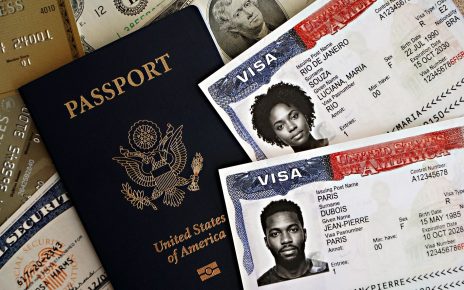
Schengen Visa Waiver is a significant topic for GCC citizens looking to travel. Recent discussions suggest that dropping the visa could lead to major changes in travel dynamics.
Overview of the Schengen Visa Waiver
The Schengen Visa Waiver has been a topic of significant interest among travelers from various regions, particularly the Gulf Cooperation Council (GCC) countries. This initiative aims to simplify travel across the Schengen Area, which comprises 27 European countries that have abolished passport control at their shared borders. With the potential elimination of visa requirements for GCC citizens, the changes could greatly impact tourism and business travel.
Currently, GCC citizens must obtain a Schengen visa to enter these countries, which often involves a lengthy application process and various documentation requirements. The proposed waiver is expected to streamline this process, enabling easier access to Europe for business, leisure, and family visits.
Key benefits of the potential Schengen Visa Waiver include:
- Increased Tourism: More GCC travelers could visit Europe, boosting the economy in popular tourist destinations.
- Business Opportunities: Companies could benefit from easier travel for meetings, conferences, and trade shows.
- Family Reunification: Individuals with family in Europe may find it easier to visit loved ones without the constraints of a visa application.
As discussions continue, many are hopeful that the Schengen Visa Waiver will soon become a reality, enhancing travel freedom and fostering closer ties between the GCC and European nations.
Key Changes for GCC Citizens
As the Schengen Visa Waiver gains traction among Gulf Cooperation Council (GCC) citizens, several key changes are expected to enhance travel experiences across Europe. The introduction of this waiver aims to simplify the travel process, allowing GCC nationals to explore Schengen Area countries without the need for a traditional visa.
Some of the most significant changes that will come into effect include:
- Increased Travel Flexibility: GCC citizens will benefit from easier access to multiple Schengen countries, enabling seamless travel for tourism, business, or family visits.
- Streamlined Application Process: The visa waiver will eliminate lengthy application procedures, making it quicker and more efficient for travelers to obtain necessary travel documents.
- Duration of Stay: Travelers will likely enjoy extended periods of stay, allowing for more immersive experiences in their chosen destinations.
- Enhanced Security Measures: With the waiver, there may be improved security protocols that ensure the safety of both travelers and host countries.
This shift towards a Schengen Visa Waiver represents a significant step in fostering stronger ties between GCC nations and Europe. It not only reflects growing diplomatic relations but also encourages cultural exchange and tourism, ultimately benefiting both regions economically and socially.
Impact on Travel Plans
The introduction of the Schengen Visa Waiver for GCC citizens is expected to significantly impact travel plans across Europe. With the potential elimination of visa requirements, travelers can enjoy increased flexibility and spontaneity when planning their trips.
One of the most notable changes is the ease with which travelers can enter Schengen Area countries. Currently, obtaining a visa can be a time-consuming process, involving extensive documentation and waiting periods. The waiver would streamline this experience, allowing travelers to:
- Travel more frequently: With fewer barriers, GCC citizens can embark on short trips without the need for extensive planning.
- Explore new destinations: The Schengen Visa Waiver opens up opportunities to visit multiple countries in a single journey, enhancing travel itineraries.
- Make spontaneous decisions: Travelers can take advantage of last-minute travel deals and opportunities without the stress of visa applications.
Additionally, this change could lead to an increase in tourism from GCC countries, benefiting local economies in Europe. Businesses in the hospitality and retail sectors may see a surge in demand as visitors flock to explore cultural attractions and experiences.
Overall, the Schengen Visa Waiver stands to revolutionize how GCC citizens plan and execute their travel, making Europe more accessible than ever before.
What to Expect After Visa Waiver
As the Schengen Visa Waiver for GCC citizens approaches, travelers can expect several positive changes that will simplify their journeys across Europe. With the elimination of visa requirements, the process of planning trips will become notably more straightforward.
Here are some key aspects to look forward to:
- Increased Flexibility: Travelers will enjoy the freedom to visit multiple Schengen countries without the need to apply for individual visas, allowing for spontaneous trips and itineraries.
- Shorter Wait Times: The elimination of visa applications means that travelers can bypass lengthy processing times, making it easier to book last-minute travel.
- Lower Costs: With no visa fees, travelers will save money that can be used for experiences and activities while in Europe, enhancing their overall travel budget.
- Boosted Tourism: The Schengen Visa Waiver is expected to increase the number of visitors from GCC countries, contributing positively to the European tourism industry.
- Enhanced Cultural Exchange: Easier access will foster greater cultural interactions between GCC citizens and Europeans, promoting mutual understanding and cooperation.
Overall, the Schengen Visa Waiver heralds a new era of travel that promises to make exploring Europe more accessible and enjoyable for GCC citizens.
Expert Opinions on Visa Changes
Experts in international travel and immigration law are optimistic about the potential benefits of the Schengen Visa Waiver for Gulf Cooperation Council (GCC) citizens. According to travel analyst Dr. Maria Al-Hassan, the removal of the visa requirement could significantly enhance tourism flows between the GCC countries and Europe.
“This change is likely to encourage more spontaneous travel among GCC nationals, enabling them to explore Europe without the bureaucratic hurdles previously associated with obtaining a visa,” said Dr. Al-Hassan. She emphasized that this could lead to a surge in short-term visits, benefiting both travelers and European economies.
In addition, immigration lawyer Tomás Rivera pointed out that the waiver could stimulate business opportunities. “With easier access to the Schengen Area, GCC entrepreneurs may find it simpler to establish partnerships and attend conferences, fostering international collaboration,” he explained.
However, not all experts share the same level of enthusiasm. Some caution that the waiver could lead to increased overstay rates among travelers. “While the Schengen Visa Waiver presents many advantages, it is vital for authorities to implement robust monitoring systems to prevent potential abuses,” warned immigration consultant Sara Ahmed.
Overall, the consensus among experts is that the changes could pave the way for a more integrated relationship between GCC countries and Europe, enhancing cultural exchange and economic ties.