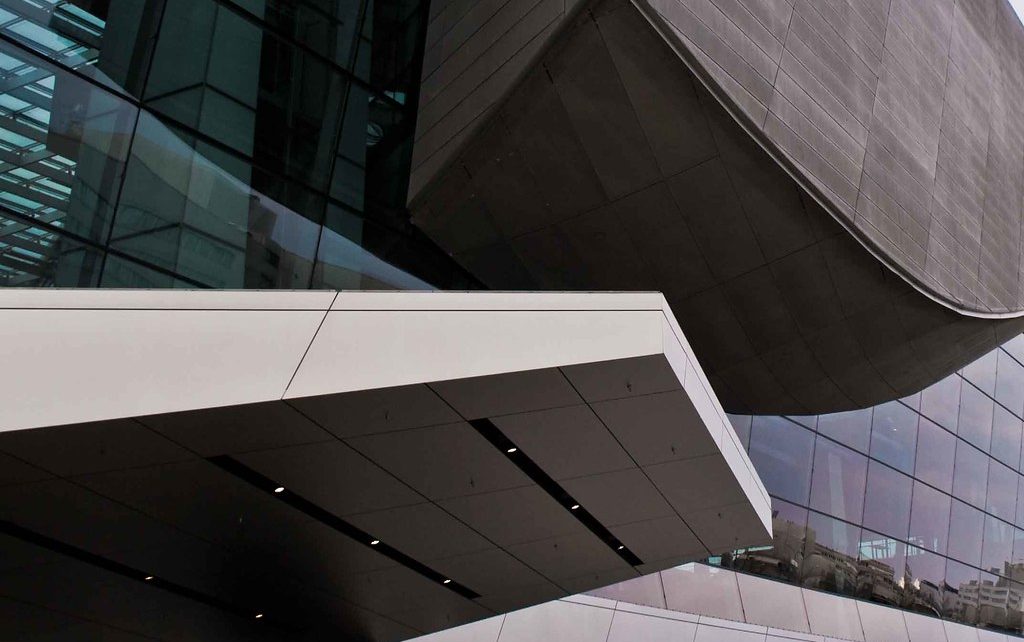
Natural ventilation airport systems are revolutionizing how we think about cooling. This innovative approach proves that air conditioning isn’t always necessary.
How does natural ventilation work?
Natural ventilation is an architectural strategy that uses the natural flow of air to maintain comfortable indoor temperatures, especially in large structures like airports. This method relies on temperature differences, wind patterns, and building design to facilitate air movement. By strategically placing openings such as windows, vents, and skylights, air can enter and exit the building without mechanical assistance.
The process begins with the warm air inside the airport rising and escaping through higher openings, creating a vacuum that draws in cooler air from outside. This cycle helps to regulate the temperature and improve air quality. The effectiveness of natural ventilation depends on several factors:
- Building Orientation: The positioning of the airport can influence wind patterns, making it crucial for maximizing airflow.
- Window Placement: Properly placed windows can enhance cross-ventilation, allowing fresh air to circulate efficiently.
- Materials Used: The choice of materials can affect how heat is absorbed or released, impacting overall comfort.
- Climate Considerations: Local weather conditions play a vital role in determining the success of natural ventilation systems.
By utilizing these principles, natural ventilation airports aim to reduce reliance on traditional air conditioning, promoting energy efficiency and sustainability. This approach not only lowers operational costs but also creates a more pleasant environment for travelers and staff alike.
Benefits of cooling without AC
Natural ventilation airports present a range of benefits that make them an attractive option for sustainable architecture. By utilizing passive cooling techniques, these facilities can significantly enhance comfort while reducing energy consumption. Here are some key advantages:
- Energy Efficiency: By relying on natural airflow instead of traditional air conditioning systems, airports can drastically lower their energy usage, leading to substantial cost savings.
- Environmental Impact: Natural ventilation airports contribute to a smaller carbon footprint, aligning with global efforts to combat climate change and promote greener practices.
- Improved Air Quality: The use of fresh outdoor air enhances indoor air quality, which can lead to healthier environments for travelers and staff alike.
- Lower Maintenance Costs: With fewer mechanical systems in place, the maintenance and operational costs associated with natural ventilation airports are typically reduced.
- Enhanced Passenger Experience: The ability to control airflow and temperature naturally can create a more pleasant atmosphere, improving the overall travel experience.
- Resilience to Power Outages: Natural ventilation systems remain operational even during power outages, ensuring comfort and safety.
Overall, natural ventilation airports not only provide effective cooling without AC but also promote sustainability and enhance passenger experience, making them a compelling choice for modern airport design.
Case studies of successful implementations
Across the globe, several airports have successfully implemented natural ventilation as a sustainable cooling method, showcasing its viability and effectiveness.
- Chhatrapati Shivaji Maharaj International Airport, Mumbai: This airport has been recognized for its extensive use of natural ventilation, which integrates large windows and open-air spaces to facilitate airflow. The design minimizes reliance on air conditioning, allowing for cooler temperatures even during peak travel seasons.
- San Francisco International Airport: The airport has incorporated natural ventilation strategies in its terminal designs, utilizing operable windows and strategically placed vents. This approach not only enhances passenger comfort but also reduces energy consumption, aligning with environmental sustainability goals.
- Singapore Changi Airport: Known for its innovative architecture, Changi Airport employs natural ventilation techniques in various terminals, utilizing landscaped gardens and water features that promote air circulation. This design creates a pleasant environment for travelers while minimizing reliance on mechanical cooling systems.
These case studies illustrate that natural ventilation airports are not just a theoretical concept but a practical solution that can enhance passenger experience while prioritizing energy efficiency. As more airports explore these methods, the potential for widespread adoption of natural ventilation continues to grow.
Challenges faced by airports
Airports around the world are increasingly exploring the potential of natural ventilation systems. However, adopting this cooling method is not without its challenges. Many airports face significant obstacles that can hinder the effective implementation of natural ventilation.
- Climate Variability: Different geographical locations have varying climates, which can affect the efficiency of natural ventilation. Areas with high humidity or extreme temperatures may struggle to maintain comfortable indoor conditions without supplemental cooling.
- Noise Pollution: Airports are typically located in busy areas where noise levels can be high. Natural ventilation designs must consider how to mitigate external noise, ensuring a pleasant experience for passengers while still achieving adequate airflow.
- Security Concerns: Open-air designs can introduce security issues that are not as prevalent in traditional air-conditioned environments. Airports need to find ways to balance ventilation with safety measures to protect travelers and staff.
- Design Limitations: Integrating natural ventilation into existing airport structures can be challenging. Architects must navigate the constraints of existing designs and infrastructure while ensuring that airflow is maximized.
Despite these challenges, the push for natural ventilation airport systems continues, driven by the desire for energy efficiency and sustainability. The ongoing exploration aims to overcome these obstacles while providing a comfortable atmosphere for travelers.
Comparing costs: AC vs natural ventilation
When evaluating the costs associated with cooling methods for airports, a comparison between air conditioning (AC) and natural ventilation becomes essential. While AC systems provide immediate and controllable cooling, they come with higher operational costs. These include energy consumption, maintenance, and the initial installation of complex systems.
In contrast, natural ventilation airports rely on the design and orientation of the building to facilitate airflow, significantly reducing energy costs. The implementation of this method generally requires a larger upfront investment in architectural design and construction materials that promote effective airflow. However, the long-term savings in energy costs can be substantial.
- AC Costs:
- High energy consumption leading to increased utility bills.
- Regular maintenance expenses for HVAC systems.
- Potential for costly repairs and replacements.
- Natural Ventilation Costs:
- Lower operational costs due to minimal energy use.
- Reduced maintenance requirements over time.
- Investment in initial design can yield long-term financial benefits.
Ultimately, while natural ventilation airports may require more thoughtful planning and investment upfront, the reduced operational costs and environmental benefits can make them an attractive alternative to traditional air conditioning systems.
Future of airport design
The future of airport design is poised for a significant transformation as sustainable practices gain traction in the aviation industry. With increasing concerns about climate change and energy consumption, natural ventilation airports are emerging as a viable solution to cooling without relying solely on air conditioning. Architects and engineers are exploring innovative designs that prioritize airflow and passive cooling strategies, creating environments that are both functional and eco-friendly.
One of the key trends in this evolution is the integration of green spaces within airport terminals. Indoor gardens and living walls not only enhance aesthetics but also improve air quality and contribute to the overall cooling effect. Natural ventilation airports leverage these features to create comfortable spaces for passengers while minimizing their carbon footprint.
Moreover, advancements in technology, such as smart building systems, are enabling airports to optimize their natural ventilation strategies. By utilizing sensors to monitor temperature and humidity levels, these systems can adjust window openings and airflow accordingly, ensuring a consistently pleasant environment for travelers.
As more airports look to adopt these sustainable designs, the potential for reduced energy costs and improved passenger experiences could redefine the standards of airport architecture. The shift towards natural ventilation approaches signifies a crucial step in the aviation sector’s commitment to sustainability and innovation.
Expert opinions on sustainable practices
Experts in sustainable architecture and environmental design have expressed strong support for the concept of a natural ventilation airport. Many argue that this approach not only reduces energy consumption but also enhances passenger comfort and well-being.
- Dr. Jane Thompson, a leading architect specializing in green buildings, states, “Natural ventilation is not just about cooling; it’s about improving air quality. Airports are often crowded places, and ensuring a steady flow of fresh air can significantly benefit travelers.”
- Mark Reynolds, an environmental consultant, highlights the importance of local climate conditions: “The effectiveness of natural ventilation airports largely depends on the geographical location. In regions with moderate climates, the potential for passive cooling is vastly underutilized.”
- Professor Lisa Cheng emphasizes the role of innovative design, saying, “Architects must rethink traditional layouts. Utilizing large windows and strategically placed openings can create a harmonious blend of aesthetics and functionality.”
- Tomás García, a sustainability expert, warns that while natural ventilation is promising, it requires meticulous planning: “There’s no one-size-fits-all solution. Each airport must assess its unique needs and environmental factors.”
Given these insights, many in the industry are hopeful that natural ventilation airports can pave the way toward more sustainable future designs, aligning with global efforts to reduce carbon footprints and improve energy efficiency.
The concept of a natural ventilation airport has gained traction as a sustainable alternative to traditional cooling methods. By harnessing the power of natural airflow, a natural ventilation airport can significantly reduce energy consumption while maintaining passenger comfort.
By on1stsite. via Openverse