

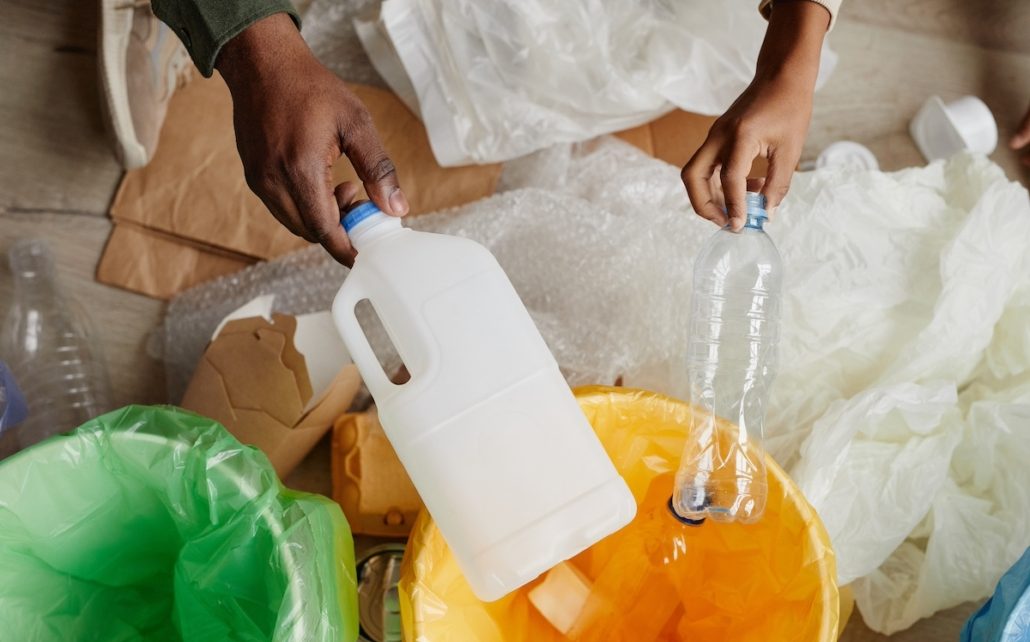
Polypropylene (PP) is one of the most widely used thermoplastic polymers in the industrial sector due to its versatility, durability, and cost-effectiveness. Its unique combination of chemical resistance, mechanical strength, and lightweight properties makes it ideal for a wide range of industrial applications. With increasing emphasis on sustainability and resource efficiency, polypropylene (PP) also plays a critical role as a recyclable polymer, offering reliable solutions for manufacturing, packaging, and other industrial uses.
Key Properties of Polypropylene
Polypropylene stands out for its exceptional balance of properties. It is chemically resistant to acids, bases, and solvents, which allows it to perform well in demanding industrial environments. PP also offers high tensile strength and impact resistance, ensuring durability and reliability in both mechanical and structural applications. Its lightweight nature contributes to energy-efficient transport and ease of handling in production processes. Additionally, polypropylene can be processed using various manufacturing techniques, including injection molding, extrusion, and thermoforming, making it highly adaptable to different industrial requirements.
Industrial Applications of PP
Polypropylene is utilized across a wide spectrum of industries due to its robust performance and versatility. In the packaging sector, PP is used for containers, bottles, caps, and flexible films, providing durability while maintaining lightweight properties. The automotive industry leverages polypropylene for interior panels, bumpers, and battery components, benefiting from its combination of strength and chemical resistance. Construction applications include pipes, fittings, and insulation components, where reliability and durability are critical. Additionally, polypropylene is used in the manufacturing of industrial equipment, storage solutions, and consumer products, offering a cost-effective and sustainable alternative to other polymers.
Recyclability and Sustainability
One of polypropylene’s key advantages is its recyclability, which aligns with modern industrial sustainability goals. Recycled PP can be collected from post-consumer and post-industrial sources, cleaned, and reprocessed into high-quality materials suitable for various industrial applications. Using recycled polypropylene reduces dependence on virgin raw materials, conserves natural resources, and lowers energy consumption. This process also decreases environmental impact by minimizing landfill waste and greenhouse gas emissions associated with plastic production. The ability to recycle polypropylene ensures a circular approach to industrial material management, promoting sustainability without compromising performance.
Quality Assurance and Reliability
Maintaining consistent quality is crucial when using polypropylene in industrial applications. Recycled PP undergoes rigorous testing to ensure it meets specifications for melt flow index, tensile strength, impact resistance, and thermal stability. Quality control measures ensure that the polymer performs reliably in manufacturing processes, providing confidence for businesses integrating recycled material into production. Reliable polypropylene supports operational efficiency, reduces material wastage, and ensures that end products meet industry and safety standards.
Economic and Operational Benefits
Polypropylene offers both economic and operational advantages for industrial users. Its durability and chemical resistance reduce maintenance and replacement costs. Lightweight properties lower transportation and handling expenses, while compatibility with existing processing equipment ensures smooth production operations. Recycled polypropylene further enhances cost-effectiveness by providing a sustainable alternative to virgin materials, helping businesses achieve financial savings while meeting environmental objectives. These factors make PP a practical and strategic choice for industrial applications.
Challenges and Opportunities
Challenges in utilizing recycled polypropylene include contamination, inconsistent supply, and variations in material properties. Technological advancements in sorting, cleaning, and processing are helping address these issues, ensuring high-quality recycled PP for industrial use. Growing awareness of sustainability, regulatory support, and market demand for eco-friendly materials create opportunities for expanding the adoption of polypropylene in industrial applications. These trends position PP as a key polymer for both performance and sustainability.
Conclusion
Polypropylene delivers reliable recyclable polymer solutions that meet the demands of modern industrial applications. Its combination of chemical resistance, mechanical strength, and lightweight properties makes it a versatile material for manufacturing, automotive, packaging, and construction sectors. Recyclable polypropylene supports sustainability and cost efficiency while maintaining consistent performance standards. By incorporating PP into industrial processes, businesses can achieve operational reliability, environmental responsibility, and long-term economic value, making it an essential component of industrial polymer solutions.
