Air India fuel surcharge is rising from October 9, leading to higher costs for domestic flights. Passengers should prepare for increases up to ₹1,200.
What is the new Air India fuel surcharge?
Air India has announced a significant increase in its fuel surcharge, which will take effect from October 9. This adjustment has raised the cost of domestic flights by as much as ₹1,200, prompting widespread discussions among travelers and industry experts alike.
The new fuel surcharge structure is set to vary depending on the distance of the journey. For flights covering shorter distances, the surcharge will be less, while longer routes will see a more considerable increase. This hike in the Air India fuel surcharge is seen as one of the most substantial adjustments in recent history, leading many to question the overall impact on ticket prices and consumer travel choices.
Passengers planning to travel domestically can expect the following changes:
- Short-haul flights: Surcharge increases by ₹500.
- Medium-haul flights: Surcharge rises by ₹800.
- Long-haul flights: Surcharge goes up by ₹1,200.
As airlines grapple with rising operational costs, this latest hike has raised concerns over affordability and competitiveness in the aviation market.
How much will flight costs increase?
The recent announcement regarding the Air India fuel surcharge has raised concerns among travelers as it is set to significantly impact flight costs. From October 9, passengers can expect to see a considerable increase in their overall travel expenses. Here’s a breakdown of how much flight costs will rise:
- Domestic flights will see an increase of up to ₹1,200 depending on the route and ticket class.
- Short-haul flights are likely to experience a smaller surcharge, while long-haul flights may incur the maximum increase.
- Economy class tickets will bear a different surcharge compared to business class, with the latter seeing a higher percentage hike.
- The increase is attributed to fluctuating oil prices, which have compelled the airline to adjust its fares accordingly.
As the Air India fuel surcharge takes effect, travelers are encouraged to plan their trips in advance and consider booking flights sooner rather than later. With airfares on the rise, it is crucial for passengers to remain informed about the new pricing structure and explore options to minimize their travel costs. Given the scale of this hike, many are questioning whether this is the worst hike ever in the airline’s history.
Reasons behind the surcharge hike
The recent increase in the Air India fuel surcharge has sparked widespread debate among travelers and industry experts. Several key reasons have been identified that contribute to this hike.
- Rising Fuel Prices: A significant factor behind the surcharge hike is the persistent increase in global fuel prices. As oil costs rise, airlines are compelled to adjust their pricing structures to maintain profitability.
- Inflationary Pressures: The overall inflation in the economy has also played a role. Increased operational costs, including maintenance and airport fees, have forced airlines to reconsider their fare structures.
- Demand Surge: With travel demand rebounding post-pandemic, airlines are experiencing higher passenger volumes. This increased demand allows airlines to implement surcharges without significantly affecting their customer base.
- Market Competition: Despite the hike, Air India remains competitive in the market. Other airlines may also follow suit, making it a necessary step to align with industry standards.
As a result, the Air India fuel surcharge is seen by many as an inevitable adjustment in the face of these economic realities, leading some to question if it is indeed the worst hike ever.
Impact on travelers and bookings
The recent increase in the Air India fuel surcharge has left many travelers reconsidering their travel plans as the cost of domestic flights could rise by up to ₹1,200. This substantial hike in fares is expected to have a significant impact on both leisure and business travelers.
Many frequent flyers are expressing their concerns over the rising costs, noting that the Air India fuel surcharge could deter them from booking flights, especially for short notice trips. The increased expenses may also lead some to explore alternative travel options, such as trains or buses, which could offer a more economical choice.
Travel agents are already reporting a decline in inquiries and bookings since the announcement of this surcharge hike. The situation is particularly alarming for those planning family vacations or destination weddings, where the overall travel budget is crucial.
In light of these changes, potential travelers are advised to:
- Book flights early to secure better rates.
- Stay updated on fare fluctuations.
- Consider flexible travel dates to minimize costs.
Ultimately, the Air India fuel surcharge may not only reshape pricing strategies but also influence consumer behavior in the aviation sector.
Comparing Air India with other airlines
As Air India implements its new fuel surcharge, comparisons with other airlines have become inevitable. Many travelers are left wondering how this increase measures up against similar changes from competitors.
Several airlines have also adjusted their fuel surcharges recently, but the extent of these hikes varies significantly. Here’s a closer look at how Air India’s fuel surcharge stacks up against its peers:
- IndiGo: Often considered a market leader in low-cost travel, IndiGo has maintained a more modest surcharge in recent months, with increases remaining below ₹800.
- SpiceJet: This airline has implemented surcharges that mirror Air India’s in some instances, yet they often provide promotional discounts that can offset the impact.
- Vistara: As a premium airline, Vistara’s fuel surcharge tends to be higher, yet they balance this with superior in-flight services.
Overall, the Air India fuel surcharge has raised eyebrows, particularly as the new rates may lead to increased operational costs and affect consumer choices. With its rise, it becomes crucial for travelers to evaluate all available options before booking their flights.
What can passengers do?
As the Air India fuel surcharge continues to rise, passengers may feel uncertain about how to navigate the increased costs associated with their travel. Here are some steps travelers can take to manage the impact of this surcharge:
- Book in Advance: Secure your tickets early to avoid last-minute price hikes. Planning ahead may allow you to find more affordable options before the surcharge is implemented.
- Monitor Promotions: Keep an eye out for discounts and promotional fares offered by Air India or competing airlines. These deals can help offset the additional costs from the fuel surcharge.
- Consider Alternative Airlines: Research and compare flight prices among various airlines. While Air India may be increasing its surcharge, other carriers might offer competitive rates without such hikes.
- Use Frequent Flyer Miles: If you are a member of Air India’s frequent flyer program, consider redeeming your miles for tickets. This can help you avoid paying the surcharge altogether.
- Stay Informed: Keep up with news about the Air India fuel surcharge and any changes in policies. Being knowledgeable can help you make better travel decisions.
Future of fuel surcharges in India
The future of fuel surcharges in India remains uncertain as airlines navigate the complexities of rising operational costs and fluctuating fuel prices. The recent Air India fuel surcharge has sparked a debate among industry experts and travelers alike about the sustainability of such hikes.
With the implementation of the new surcharge, many are questioning whether this trend will continue. Industry analysts predict that if fuel prices remain high, other airlines may follow suit, potentially leading to a significant increase in travel costs across the board.
Furthermore, airlines are likely to explore various strategies to mitigate the impact of fuel charges on their operations. Some possible approaches include:
- Cost-cutting measures: Airlines may reduce unnecessary expenditures to maintain competitive pricing.
- Dynamic pricing: Implementing a flexible pricing model that adjusts rates based on real-time fuel costs.
- Fuel-efficient aircraft: Investing in newer, more fuel-efficient planes to lower overall fuel consumption.
As travelers face increased fares, the future of air travel in India hinges on how airlines adapt to these challenges and the potential for regulatory changes in the aviation sector.
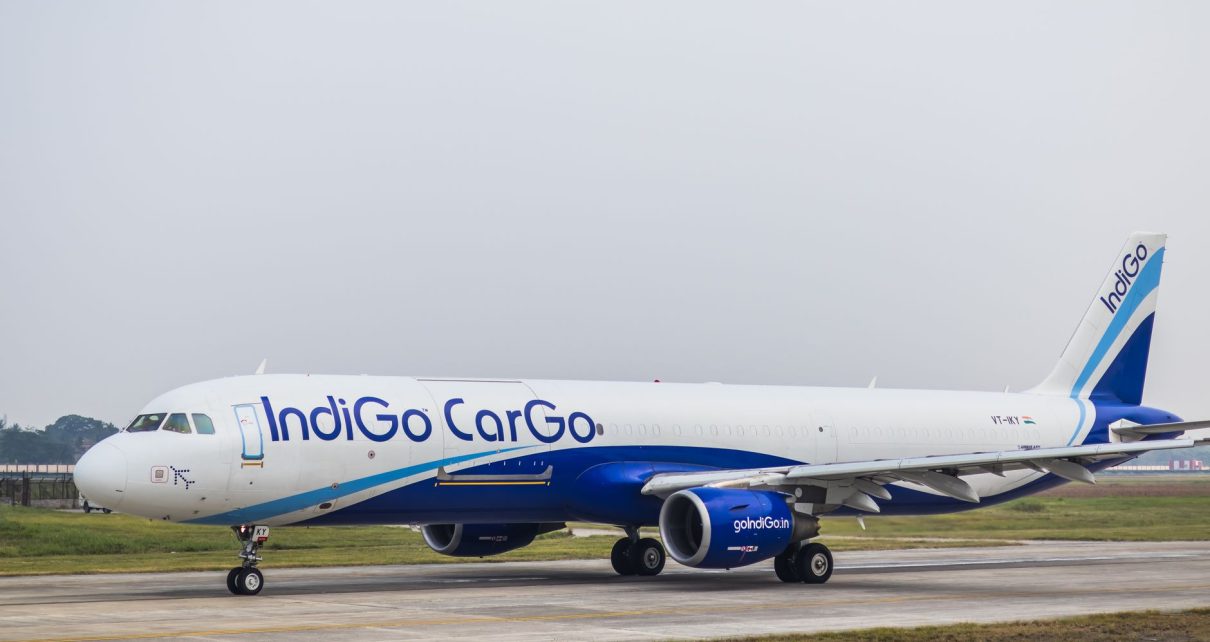
Photo by Ethan Sarkar on Pexels