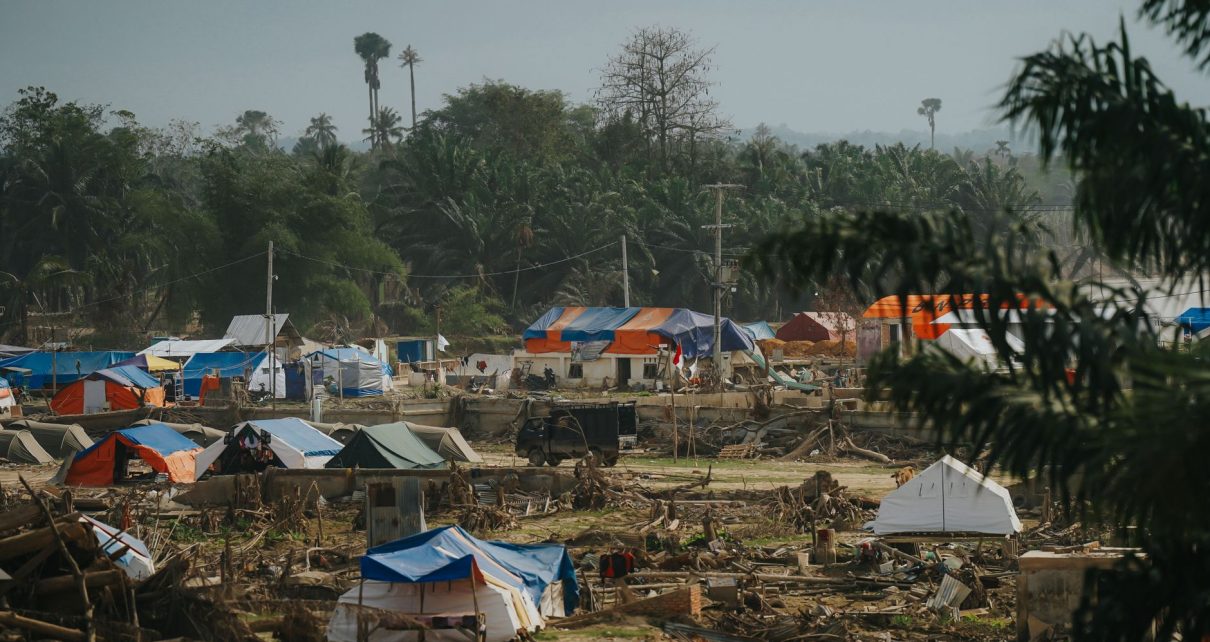
disaster-hit destinations are witnessing an accelerated recovery process. The Tourism Ministry is implementing various strategies to restore these areas and boost tourism.
Overview of Recovery Efforts
In the wake of recent natural disasters, the Tourism Ministry has implemented various strategies aimed at revitalizing disaster-hit destinations. These efforts are crucial not only for restoring infrastructure but also for rebuilding the trust of travelers.
One of the primary focuses of the recovery initiatives includes:
- Infrastructure Rehabilitation: Repairing roads, bridges, and public facilities to ensure easy access and safety for visitors.
- Community Engagement: Involving local communities in the recovery process to ensure that their needs and voices are considered, fostering a sense of ownership and pride.
- Marketing Campaigns: Launching targeted campaigns to promote the resilience and unique offerings of affected areas, encouraging tourists to return.
- Support for Local Businesses: Providing financial assistance and resources to help local businesses recover and thrive post-disaster.
Additionally, the Ministry is focusing on sustainability as a key component of recovery. Emphasizing eco-friendly practices can not only enhance the appeal of disaster-hit destinations but also ensure that future tourism is resilient against similar challenges. By prioritizing both immediate aid and long-term strategies, the Ministry aims to create a robust recovery framework that benefits both the local economy and the tourism sector.
Impact of Disasters on Tourism
The impact of disasters on tourism can be profound and long-lasting, affecting not only the economy but also the local communities and their cultural heritage. When disaster-hit destinations face such challenges, it is crucial to understand the repercussions on their tourism sectors.
Disasters can lead to a sharp decline in visitor numbers, as potential tourists may perceive these areas as unsafe or unwelcoming. This decline can result in:
- Economic Loss: Local businesses reliant on tourism suffer significant financial setbacks, leading to job losses and decreased income for residents.
- Infrastructure Damage: Essential facilities such as hotels, restaurants, and transport services may be destroyed or damaged, further deterring tourists.
- Negative Perception: Media coverage often highlights the destruction, creating a long-lasting stigma that can dissuade future visitors from returning.
- Environmental Concerns: Natural disasters can lead to environmental degradation, impacting the allure of a destination for eco-tourists.
However, with the right recovery strategies, disaster-hit destinations can not only rebuild but also enhance their appeal. Fostering community involvement, improving infrastructure, and promoting sustainable tourism practices are essential steps toward revitalizing these areas. By embracing innovative approaches, tourism stakeholders can help restore confidence in these destinations and encourage visitors to return.
Government Initiatives for Recovery
In the wake of recent calamities, governments around the world have implemented a variety of initiatives aimed at revitalizing disaster-hit destinations. These strategies not only focus on immediate relief but also on long-term recovery and resilience building.
One of the primary approaches has been the establishment of financial assistance programs. These programs provide funds to affected businesses, helping them to recover and resume operations swiftly. Such support is crucial for tourism-dependent areas where local economies are heavily reliant on visitor spending.
Additionally, many governments have prioritized infrastructure improvements. This includes the rebuilding of roads, airports, and tourist facilities that were damaged during disasters. Enhancing infrastructure not only aids in recovery but also ensures that disaster-hit destinations are better equipped to handle future events.
Moreover, public awareness campaigns have been launched to promote the affected areas as safe travel options once again. These campaigns often highlight the resilience of the local communities and the unique attractions that remain, encouraging tourists to return.
Finally, collaboration with local stakeholders, including businesses and community organizations, has proven essential. By fostering partnerships, governments can tailor recovery strategies that align with the needs of the community while also attracting visitors back to disaster-hit destinations.
Community Involvement in Restoration
Community involvement plays a crucial role in the restoration of disaster-hit destinations. When local residents actively participate in recovery efforts, it not only fosters a sense of ownership but also strengthens the resilience of the community against future disasters.
Engaging the community can take various forms, including:
- Volunteer Programs: Local residents can volunteer their time and skills to assist in rebuilding efforts, helping to restore damaged infrastructure and services.
- Workshops and Training: Providing training sessions to residents on disaster preparedness and sustainable tourism practices can empower them to contribute effectively to recovery.
- Local Business Support: Encouraging tourists to support local businesses during recovery helps stimulate the economy and provides financial relief to those affected.
- Feedback Mechanisms: Establishing channels for community feedback allows residents to voice their needs and priorities, ensuring that recovery strategies align with their expectations.
Moreover, fostering partnerships between local organizations and government agencies can enhance the effectiveness of recovery strategies. By incorporating the insights and experiences of community members, disaster-hit destinations can develop tailored approaches that promote sustainable tourism while preserving local culture and heritage.
Ultimately, the successful recovery of these areas hinges on the active participation of the community, making their involvement not just beneficial but essential for long-term resilience.
Success Stories from Affected Areas
In the aftermath of devastating events, many disaster-hit destinations have showcased remarkable resilience and innovation in their recovery strategies. These areas serve as compelling examples of how communities can rebuild and thrive despite adversity.
One notable success story is Boracay Island in the Philippines, which underwent significant restoration after a major environmental crisis. The government implemented strict regulations to preserve the island’s natural beauty, enhancing its appeal to tourists. The result was a surge in eco-tourism, attracting visitors who prioritize sustainability.
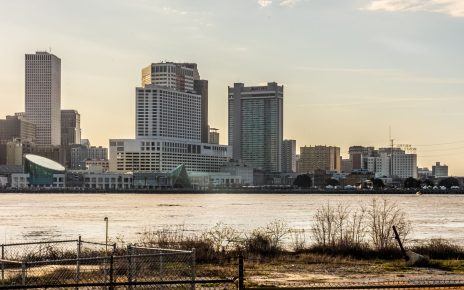
Another inspiring example is New Orleans, which has transformed since Hurricane Katrina. The city embraced its cultural heritage, focusing on revitalizing local music and cuisine to draw tourists back. Festivals celebrating this rich culture have played a pivotal role in its recovery, contributing to a vibrant tourism sector.
Japan has also made strides in rebuilding after the 2011 earthquake and tsunami. The introduction of modern infrastructure and disaster preparedness programs has not only improved safety but has also attracted tourists interested in experiencing the resilience of the local communities. Visitors can engage in programs that highlight recovery efforts and support local businesses.
These success stories from disaster-hit destinations illustrate that with strategic planning, community involvement, and an emphasis on sustainability, recovery from disasters can lead to renewed growth and tourism opportunities.
Challenges in Reviving Tourism
The journey to revive tourism in disaster-hit destinations is fraught with challenges that require careful consideration and strategic planning. One major hurdle is the restoration of infrastructure, which often suffers extensive damage during disasters. Transportation networks, including roads and airports, need immediate attention to ensure that visitors can access these areas once again.
Additionally, there is the challenge of rebuilding public confidence in travel safety. Many potential tourists may hesitate to visit regions recently affected by disasters, fearing similar events might occur again. To combat this, effective marketing campaigns that highlight safety measures and recovery progress are essential.
Another significant challenge is the economic impact on local businesses. Many small enterprises depend on tourism for their survival, and the aftermath of a disaster can lead to a prolonged downturn. Financial support and training programs for these businesses can help them adapt and thrive in a post-disaster environment.
Lastly, environmental concerns must be addressed. Disasters often lead to ecological damage that can deter visitors. Sustainable recovery strategies that focus on restoring natural beauty are vital. Engaging local communities in these efforts not only aids recovery but also fosters a sense of ownership and pride in disaster-hit destinations, encouraging both residents and tourists to invest in the area’s future.
Future of Disaster-hit Destinations
The future of disaster-hit destinations hinges on a variety of innovative strategies aimed at fostering resilience and sustainability. As the tourism industry begins to recover, it is essential to implement practices that not only restore but also enhance the appeal of these areas.
One key strategy involves investing in sustainable tourism practices. By promoting eco-friendly initiatives, destinations can attract a new demographic of travelers who prioritize environmental responsibility. This approach not only helps in recovery but also positions these locations as leaders in sustainable tourism.
Moreover, technology integration plays a crucial role in the recovery process. Utilizing digital platforms for marketing and engagement allows disaster-hit destinations to reach a broader audience. Virtual tours and augmented reality experiences can showcase the resilience and beauty of these areas, enticing potential visitors.
Additionally, fostering partnerships between local businesses and international organizations can ensure a steady influx of resources and expertise. These collaborations can facilitate knowledge transfer, helping communities develop effective recovery plans tailored to their unique challenges.
Lastly, community engagement remains vital. Involving locals in the decision-making process not only empowers them but also ensures that recovery efforts are aligned with the community’s needs and aspirations. As disaster-hit destinations embark on their journey toward revival, embracing these strategies will be essential for creating a vibrant and sustainable future.
Photo by el jusuf on Pexels
Where this came from
You might also like
Thailand visa changes: Worst impact on South Africans · Velana airport terminal: Best new addition for Maldives travel · Visa Waiver Programme Requirements: Clear Steps to Eligibility