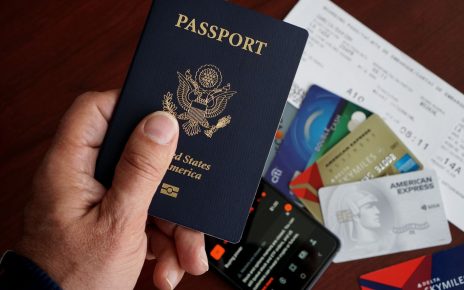
The visa application process has recently been streamlined in India, with the government cutting down the number of visa categories to just nine. This change aims to make the application process more efficient for travelers.
Overview of Changes to Visa Categories
The recent announcement from the Indian government regarding significant changes to the visa application process has stirred considerable interest among travelers and expatriates. The number of visa categories has been reduced to just nine, simplifying the options available to applicants.
Additionally, the application forms have been streamlined, now containing 70% fewer questions than before. This move is aimed at making the visa application process more user-friendly and efficient, encouraging more people to visit India for tourism, business, or education.
The changes include:
- Reduction of visa categories: From over a dozen to nine distinct types.
- Simplified application forms: A significant reduction in the length and complexity of forms.
- Faster processing times: Aiming for quicker approvals to facilitate travel plans.
These modifications are expected to attract a larger number of international visitors, making the visa application process a more accessible and straightforward experience.
Impact on Travelers
The recent changes in the visa application process have significant implications for travelers. With India reducing its visa categories to just nine and shortening application forms by 70%, the impact is expected to be felt across the globe.
Travelers are likely to experience a more streamlined and efficient process, which could lead to faster approvals and less confusion regarding requirements. This simplification may encourage more individuals to visit India for tourism, business, or educational purposes.
However, some experts caution that while the streamlined visa application process can be beneficial, it may also pose challenges. For instance:
- Increased Demand: The easier application process could lead to a surge in applications, potentially overwhelming the system.
- Changes in Eligibility: With fewer categories, some travelers may find themselves ineligible for visas they would have previously qualified for.
- Awareness: Travelers need to stay informed about the new requirements to avoid delays.
Overall, the changes aim to simplify the visa application process, but their real-world effects will unfold over time as travelers adapt to the new system.
How to Navigate the New Application Process
The recent changes in the visa application process have made it crucial for applicants to familiarize themselves with the new guidelines. With the reduction of visa categories to nine and a significant simplification of application forms, navigating this process can be less daunting than before.
Here are some tips to make the visa application process smoother:
- Understand the categories: Familiarize yourself with the nine new visa categories to determine which one fits your travel purpose.
- Gather required documents: Ensure you have all necessary documents ready before starting your application. This can include identification, photographs, and any supporting materials.
- Complete the application online: Taking advantage of the online platform can save time. The application forms are now 70% shorter, making it easier to fill out.
- Check for updates: Stay informed about any further changes to the visa application process, as policies may evolve.
By following these steps, applicants can efficiently navigate the new visa application process and enhance their chances of successful approval.
Benefits of Shorter Application Forms
The recent reduction in visa categories from India has led to a significant restructuring of the visa application process. One of the most notable benefits is the shortening of application forms by 70%. This change is expected to make the process more efficient and user-friendly for travelers.
Here are some key advantages of the shorter application forms:
- Time-Saving: With fewer questions and streamlined sections, applicants can complete their forms more quickly, reducing the overall time spent on the visa application process.
- Reduced Complexity: Simplified forms lessen the chances of errors, making it easier for applicants to provide the necessary information without confusion.
- Increased Accessibility: Shorter forms can help more individuals feel confident in their ability to apply, encouraging a wider range of travelers to seek visas.
- Focus on Essential Information: The new forms prioritize crucial details, ensuring that applicants provide what is most needed for a successful application.
Overall, these improvements indicate a commitment to enhancing the visa application process, making it not only easier but also more efficient for potential visitors to India.
Common Questions About Visa Applications
As travelers adapt to the recent changes in the visa application process, several common questions arise regarding the new system. Understanding these queries can help streamline the experience for applicants.
- What are the main types of visas available now? With the reduction to nine visa categories, applicants need to familiarize themselves with the specific requirements and purposes for each type.
- How has the visa application process changed? The application forms have been significantly shortened, making it easier for individuals to provide necessary information without overwhelming detail.
- Are there any fees associated with the new applications? Yes, while the forms are shorter, applicants should still be prepared for any associated fees that may apply depending on their visa type.
- How long does the processing take? Processing times may vary, but the government aims to expedite the visa application process to enhance efficiency.
- Can I appeal if my application is denied? Yes, there are procedures in place for appeal, which provide applicants with a chance to contest unfavorable decisions.
By addressing these common questions, potential travelers can better navigate the revised visa application process and plan their journeys with confidence.
Expert Opinions on Visa Policy Changes
Experts in immigration policy have weighed in on the recent changes to the visa application process following India’s decision to reduce visa categories to nine and streamline application forms. Dr. Anita Sharma, a leading immigration consultant, expressed optimism about the reforms. She stated, “This move can potentially simplify the visa application process for many travelers, making it more accessible.”
However, not all experts are convinced. Professor Rajiv Mehta, an expert in international law, cautioned against oversimplifying the complexities involved. “While shorter forms may seem beneficial, we must ensure that the necessary information is still captured to maintain security and compliance,” he noted.
Another perspective comes from Ms. Leila Khan, a travel advisor, who highlighted the potential impact on tourism. “Easier applications could encourage more visitors to explore India, boosting the economy,” she added.
As the visa application process evolves, the balance between efficiency and security remains a critical discussion point among experts, emphasizing the need for continued assessment of these changes.
Future of Visa Regulations in India
As India continues to streamline its visa application process, the future of visa regulations appears increasingly focused on efficiency and accessibility. The recent decision to reduce visa categories to just nine aims to simplify the experience for travelers and potential applicants alike.
This shift reflects a growing trend among countries to enhance their visa systems, with an emphasis on welcoming tourists and business travelers. By cutting down on the complexity of the application process, the Indian government hopes to attract more visitors and investments.
With technological advancements and digital platforms becoming integral to the visa application process, future changes may include:
- Online Application Enhancements: More user-friendly interfaces and real-time tracking of application status.
- Increased Transparency: Clear guidelines on processing times and requirements to reduce confusion.
- Streamlined Communication: Improved communication channels for applicants to get assistance easily.
As regulations evolve, it will be crucial for travelers to stay informed about the latest changes to ensure a smooth visa application process.
Conclusion on Visa Application Simplification
In conclusion, the recent changes to the visa application process represent a significant step toward simplifying travel for individuals seeking entry into India. The reduction of visa categories to nine, alongside the drastic shortening of application forms by 70%, is likely to alleviate the previous complexity that characterized the process.
Travelers can now expect a more streamlined experience, which not only saves time but also reduces the likelihood of errors during submission. This simplification is particularly beneficial for first-time applicants who may have felt overwhelmed by the multitude of options and lengthy forms.
While the ease of the visa application process is commendable, it is essential for travelers to remain informed about the specific requirements associated with each visa category. Staying updated on the latest regulations will ensure that applicants are well-prepared and can navigate any potential challenges effectively.
In summary, the new approach to visa applications signifies a positive shift in India’s immigration policy, fostering greater accessibility for international travelers. As the landscape evolves, ongoing feedback from users will be crucial in further enhancing the process.
Photo by DΛVΞ GΛRCIΛ on Pexels