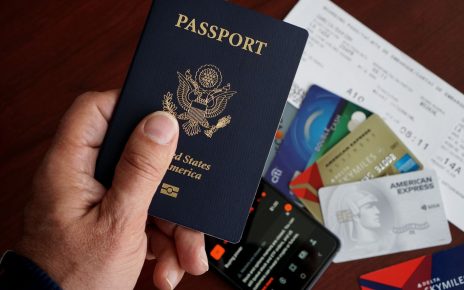
The permanent residency process has officially changed for two categories of applicants. These updates aim to streamline the application experience and improve outcomes for those seeking residency in the U.S.
Overview of the Changes
The recent changes to the permanent residency process in the United States are aimed at streamlining applications for specific groups of individuals. These adjustments are expected to enhance efficiency and reduce waiting times, allowing applicants to navigate the system with greater ease.
Among the notable alterations, the U.S. Citizenship and Immigration Services (USCIS) has implemented new guidelines for two primary categories of applicants: those seeking employment-based residency and individuals applying through family connections. These groups will benefit from a more transparent and predictable process, which is designed to address long-standing backlogs.
Key points regarding the changes include:
- Improved Processing Times: Applicants can now expect quicker decisions on their cases.
- Enhanced Communication: USCIS has committed to providing clearer updates throughout the permanent residency process.
- Increased Flexibility: New policies allow for more adaptable requirements, accommodating various circumstances.
As these changes take effect, many hopeful applicants are optimistic that the permanent residency process will become more accessible, allowing them to achieve their immigration goals in a timely manner.
Who is Affected by the Changes?
The recent modifications to the permanent residency process have significant implications for various groups of applicants. Understanding who is affected can help clarify how these changes will impact the immigration landscape.
- Employment-Based Applicants: Individuals seeking permanent residency through employment-based categories are likely to experience streamlined procedures. This includes those in high-demand professions who may benefit from expedited processing times.
- Family-Based Applicants: Changes also extend to family-based immigration, particularly for spouses and children of U.S. citizens and permanent residents. These applicants will find the process more accessible, potentially reducing wait times.
- Asylum Seekers: The adjustments aim to facilitate the transition of asylum seekers into permanent residency. This group has faced numerous challenges in the past, and the new measures seek to alleviate some of these burdens.
- Individuals with Special Circumstances: Certain applicants, such as those with humanitarian concerns or special circumstances, may find new pathways to secure their status more efficiently under the revised permanent residency process.
Overall, these changes are designed to promote inclusivity and efficiency, benefiting a diverse range of applicants looking to secure their future in the United States.
Step-by-Step Guide to the New Process
The recent changes to the permanent residency process have made it more accessible for many applicants. Here is a step-by-step guide to navigating the new process effectively:
- Step 1: Determine Eligibility – Review the criteria for the two specific categories affected by the changes. Ensure you meet all requirements before proceeding.
- Step 2: Gather Required Documents – Collect all necessary documentation, including proof of identity, employment records, and any other supporting materials needed for your application.
- Step 3: Complete the Application Form – Fill out the new application form carefully, ensuring that all information is accurate and complete. Mistakes can lead to delays.
- Step 4: Pay Application Fees – Make sure to pay the required application fees online to avoid processing delays.
- Step 5: Submit Your Application – Submit your completed application through the designated online portal or by mail, depending on the instructions provided.
- Step 6: Monitor Your Application Status – After submission, regularly check your application status online for updates and any additional requests from immigration authorities.
By following these steps, applicants can navigate the new permanent residency process with greater confidence and efficiency.
Benefits of the Updated Residency Process
The updated permanent residency process brings several benefits that can significantly enhance the experience for applicants. These improvements aim to streamline applications and reduce waiting times, making it easier for individuals and families to secure their residency status.
Some of the key advantages include:
- Faster processing times: The new system prioritizes efficiency, allowing applications to be reviewed and approved more quickly.
- Increased transparency: Applicants will now receive clearer information regarding their application status, reducing uncertainty throughout the process.
- Expanded eligibility: The changes broaden the criteria for certain categories, enabling more individuals to qualify for permanent residency.
- Simplified documentation: The requirements for supporting documents have been revised, making it easier to gather necessary information.
- Support for diverse applicants: The updated process recognizes the unique challenges faced by various communities, offering tailored assistance.
Overall, the benefits of the updated residency process not only improve the chances of successful applications but also contribute to a more inclusive and efficient immigration system. This is a significant step forward in addressing the needs of applicants seeking permanent residency.
Common Questions About the Changes
The recent changes to the permanent residency process have raised several questions among potential applicants. Here are some common inquiries regarding the updates:
- What are the key changes to the process? The updates include streamlined application procedures and reduced waiting times for certain categories of applicants.
- Who qualifies under the new regulations? The changes primarily affect individuals applying for residency based on employment or family connections.
- How will these changes impact my application timeline? Many applicants can expect faster processing times, making it easier to navigate the permanent residency process.
- Are there any new fees associated with the updated process? While some fees may have been adjusted, applicants are encouraged to check the official guidelines for accurate information.
- Will the changes affect my eligibility? Most applicants will still meet eligibility requirements, but it’s advisable to consult with an immigration expert to confirm.
- How can I stay updated on further changes? Regularly checking the official immigration website is recommended for the latest information and updates on the permanent residency process.
Expert Opinions on the New Process
Experts in immigration law have shared their insights on the recent updates to the permanent residency process. Many believe that these changes will streamline the application procedure, making it more accessible for individuals seeking to establish their lives in the United States.
According to immigration attorney Sarah Johnson, “The new process is designed to reduce the backlog that has plagued applicants for years. This is a significant step forward for those in the two affected categories.” Johnson emphasizes that the revised guidelines not only simplify the required documentation but also improve communication between applicants and immigration officials.
Another immigration specialist, Mark Lee, points out that the changes reflect a more compassionate approach to residency applications. “By focusing on the needs of families and skilled workers, the government is acknowledging the contributions these individuals make to our society,” he stated.
Furthermore, community organizations are optimistic about the impact of these updates. “We have seen countless families struggle with the previous process. The new permanent residency process offers hope and a clearer path for many,” said Maria Gonzalez, a community outreach coordinator.
Overall, the consensus among experts is that these changes could lead to a more efficient and humane immigration system.
Future of U.S. Permanent Residency
The future of the U.S. permanent residency process is set to evolve significantly, impacting various applicants and their pathways to legal status. With the recent official changes, the U.S. Citizenship and Immigration Services (USCIS) aims to streamline the application process, making it more accessible and efficient for two key categories of applicants.
As these changes take effect, it is expected that a larger number of individuals will navigate the permanent residency process with increased confidence. The new provisions focus on reducing processing times and minimizing bureaucratic hurdles, which have long been a source of frustration for applicants.
Key aspects of the future landscape include:
- Enhanced online resources: Applicants can expect improved digital platforms to track their applications and access information.
- Increased transparency: The USCIS aims to provide clearer guidelines and updates throughout the application process.
- Broader eligibility criteria: The changes may open doors for more individuals, allowing a greater diversity of applicants.
Overall, the improvements to the permanent residency process are anticipated to foster a more positive experience for aspiring residents, shaping a more inclusive future in the United States.
Conclusion and Next Steps
In conclusion, the recent updates to the permanent residency process mark a significant shift in how applications are handled, aiming to streamline and enhance the experience for applicants. As the U.S. government implements these changes, it is essential for potential applicants to stay informed and adapt to the new requirements.
As you consider your next steps, here are some important actions to take:
- Review the New Guidelines: Familiarize yourself with the updated criteria and procedures outlined by immigration authorities.
- Gather Necessary Documentation: Ensure that you have all required documents ready for submission to avoid delays.
- Seek Professional Assistance: Consult with immigration experts or attorneys who can provide personalized advice based on your unique situation.
- Stay Updated: Regularly check official government websites for the latest information regarding any further changes to the permanent residency process.
- Connect with Others: Join support groups or forums to share experiences and tips with fellow applicants navigating the new process.
By taking these proactive steps, you can better prepare yourself for a successful application and secure your future in the United States.
Photo by Ivan S on Pexels