India visa rules have recently been revised, impacting tourists, students, and business travelers. Understanding these changes is crucial for anyone planning to visit India.
Overview of New Visa Rules
The Indian government has recently revised its visa rules to streamline the process for tourists, students, and business travelers. These changes aim to enhance the overall experience for foreign visitors and make India a more attractive destination.
Under the new visa rules, several key updates have been introduced:
- Visa Types: The categories of visas have been expanded to include more specific options for tourists, students, and professionals. This allows applicants to select the visa that best fits their purpose of visit.
- Online Application: The visa application process has been significantly digitized. Applicants can now complete their applications online, reducing the need for in-person visits to embassies or consulates.
- Processing Times: The processing times for visa applications have been improved, with many applicants receiving their visas within a week, making travel planning easier.
- Longer Validity: Certain visa types now offer longer validity periods, allowing tourists and students to stay in India for extended durations without the need for frequent renewals.
These updates to the India visa rules reflect the government’s commitment to fostering a welcoming environment for international visitors and enhancing tourism, education, and business opportunities within the country.
Impact on Tourists Visiting India
The recent changes in India visa rules are poised to significantly impact tourists planning to visit the country. With the new regulations aimed at simplifying the application process, travelers can expect a more streamlined experience.
One of the most notable revisions is the introduction of an online application system, which is expected to reduce waiting times and paperwork. This shift allows tourists to apply for e-Visas from the comfort of their homes, making it easier for international visitors to secure their travel documents.
Moreover, the modified rules have expanded the categories of eligible travelers. Tourists can now apply for visas tailored to specific activities, such as cultural events, sports, or medical tourism, enhancing the overall appeal of India as a travel destination. The government hopes that these changes will encourage more foreign nationals to explore the diverse landscapes and rich heritage of the country.
However, it is crucial for tourists to stay informed about the specific requirements for their visa category. Visitors should carefully review the necessary documentation and ensure compliance with the new regulations to avoid any complications upon arrival.
In summary, the updated India visa rules present an opportunity for enhanced tourism, with more accessible processes and options for travelers looking to experience the vibrant culture and attractions of India.
Changes for International Students
In a significant update to the India visa rules, the government has introduced changes specifically designed for international students. These adjustments aim to streamline the application process and enhance the overall experience for those seeking education in India.
One of the most notable changes is the extension of the duration of student visas. Previously limited to a specific timeframe, student visas can now be valid for the entire duration of the course, allowing students to focus on their studies without the stress of frequent renewals.
Additionally, the new regulations permit international students to work part-time while pursuing their studies. This change not only helps students to support themselves financially but also provides valuable work experience in a diverse environment.
Moreover, the application process for student visas has been simplified. International students can now apply online, reducing the waiting time for approvals. The government has also established dedicated support services to assist students with their visa queries.
These changes reflect India’s commitment to attracting global talent and fostering an inclusive educational environment. As international students consider their options, understanding the updated India visa rules will be crucial for a smooth transition into their academic journey.
Business Travelers: What to Expect
Business travelers heading to India should be aware of the updated visa rules that aim to streamline their entry and stay in the country. The revised regulations are designed to facilitate smoother processes for foreign professionals engaging in business activities.
Under the new visa rules, business travelers can expect the following:
- Types of Visas: Various visa categories are available, including the Business Visa, which is suitable for individuals attending meetings, conferences, or establishing business ventures.
- Duration of Stay: Business visas may now allow for extended stays, with some options permitting up to five years, depending on the nature of business activities.
- Multiple Entries: Travelers will benefit from multiple entry options, making it easier to conduct business across different regions of India without the need for reapplication.
- Documentation: It is essential for business travelers to prepare necessary documentation, including invitation letters from Indian companies and proof of business activities.
Additionally, the application process has been simplified, allowing for online submissions and quicker processing times. These changes aim to enhance the experience for business travelers while ensuring compliance with the latest India visa rules.
How to Apply for the New Visa
Applying for the new visa under the updated India visa rules is a straightforward process designed to facilitate easier access for tourists and students alike. Here is a step-by-step guide to help you navigate through the application process:
- Determine Your Visa Type: First, identify the type of visa you need, whether it is a tourist visa, student visa, or any other category relevant to your stay in India.
- Gather Required Documents: Compile necessary documents, which typically include:
- Passport: Valid for at least six months from your intended date of entry.
- Photographs: Recent passport-sized photos that adhere to the specifications outlined.
- Proof of Accommodation: Documentation showing where you will stay during your visit.
- Financial Proof: Evidence of sufficient funds to support your stay.
- Complete the Application Form: Fill out the online visa application form accurately, ensuring all information matches the documents you have gathered.
- Pay the Visa Fee: Submit your payment through the designated online portal, keeping the receipt for your records.
- Schedule an Appointment: Depending on your location, you may need to book an appointment at the nearest Indian embassy or consulate for document submission and visa interview.
By following these steps, applicants can ensure a smooth process when applying under the new India visa rules.
Frequently Asked Questions
The recent changes to India visa rules have raised several questions among potential travelers, students, and business professionals. Here are some of the frequently asked questions that may help clarify common concerns.
- What are the new visa types available for tourists? India has introduced several new visa categories, including e-Tourist visas, which can now be obtained for longer durations.
- How long can I stay in India on a tourist visa? Tourist visas typically allow stays of up to 90 days, with options for extension depending on the circumstances.
- Are there special provisions for international students? Yes, the revised rules include provisions for longer student visas, which can be valid for the duration of the course.
- Can business travelers obtain a visa on arrival? Currently, business travelers must apply for a visa before arriving in India; an on-arrival option is not available.
- What documents are required for visa applications? Generally, applicants need a valid passport, recent photographs, and proof of travel plans or admission to educational institutions.
Staying informed about the latest India visa rules is essential for ensuring a smooth travel experience.
Conclusion and Next Steps
In conclusion, the recent changes to India visa rules signify a significant transformation in the way tourists, students, and business travelers can access the country. These updates are designed not only to simplify the application process but also to enhance the overall experience for visitors. It is essential for prospective travelers to familiarize themselves with these new regulations to ensure a smooth journey.
For tourists planning their visit, understanding the revised visa categories and requirements will aid in avoiding delays and complications upon arrival. Likewise, international students should take note of the adjustments made to student visa regulations, which aim to support their academic pursuits in India. Business travelers must also remain informed about the specific guidelines that pertain to their activities, as compliance is crucial for successful endeavors.
As you prepare for your trip, consider the following next steps:
- Review the latest India visa rules to determine the appropriate visa type for your needs.
- Gather necessary documents to streamline the application process.
- Stay updated on any further changes that may arise regarding immigration policies.
- Seek assistance from official government resources or travel agencies if needed.
By taking these proactive measures, travelers can enjoy a hassle-free experience while exploring the vibrant culture and rich heritage of India.
Understanding the India visa rules is essential for a smooth travel experience. Tourists and students alike should familiarize themselves with the latest India visa rules to avoid any complications during their stay.
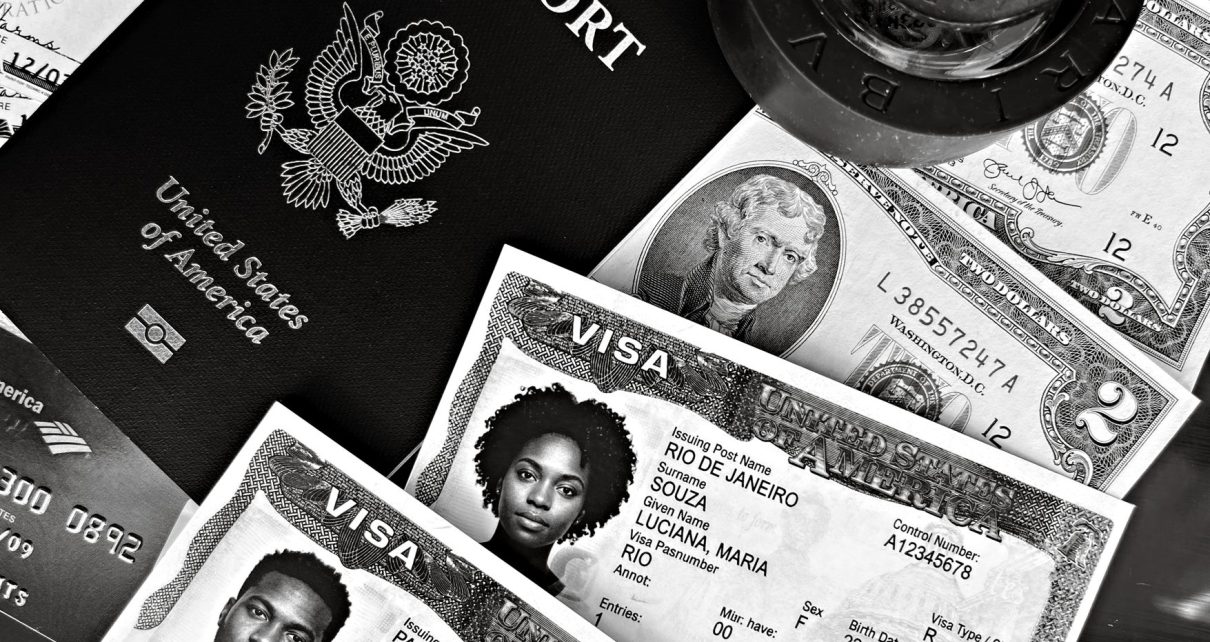
Photo by DΛVΞ GΛRCIΛ on Pexels