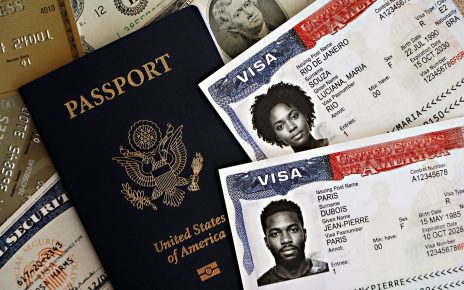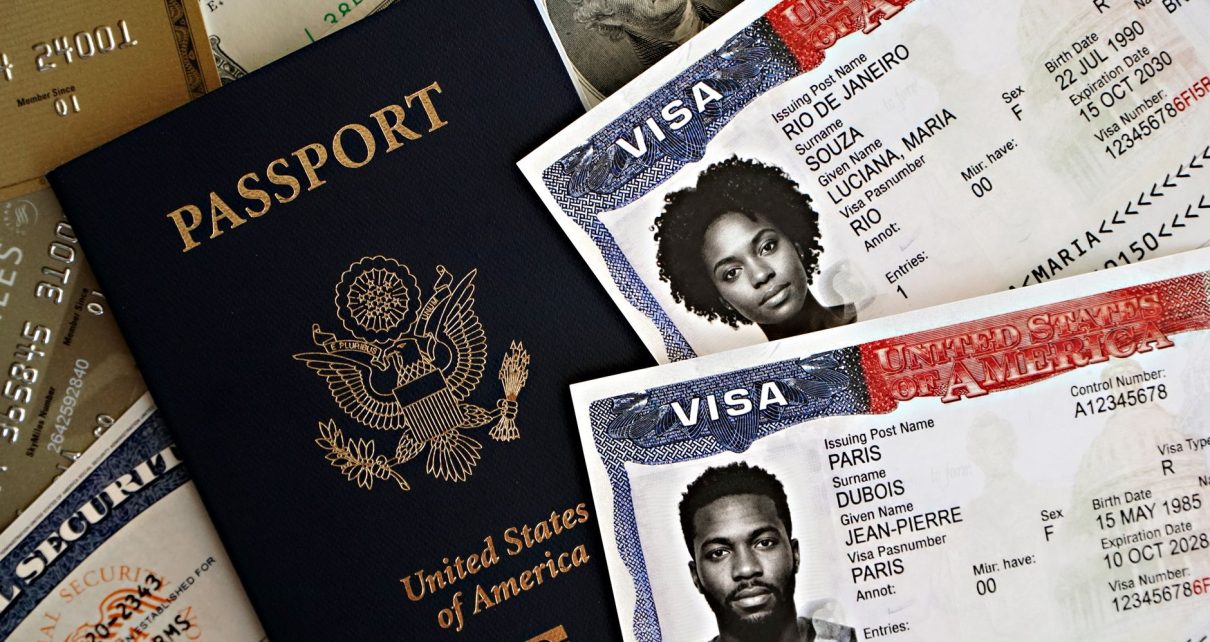
International student visas have become a topic of significant interest following a recent ruling. A judge has halted the four-year cap on these visas, providing new opportunities for students worldwide.
Overview of the Ruling
A recent ruling by a federal judge has brought significant changes to the landscape of international student visas. Previously, a four-year cap was imposed on the duration of these visas, limiting the opportunities available to international students pursuing their education in the country. The judge’s decision to halt this cap has been met with widespread approval from educational institutions and students alike.
This ruling is expected to enhance the accessibility of higher education for international students, allowing them more flexibility in completing their degrees. The implications of this decision are profound, as it not only provides students with the opportunity to extend their studies but also strengthens the global competitiveness of the nation’s educational system.
Key benefits resulting from the ruling include:
- Increased enrollment of international students
- Enhanced cultural diversity within educational institutions
- Greater opportunities for research collaboration
Implications for International Students
The recent ruling halting the four-year cap on international student visas marks a significant shift in policy, benefiting thousands of students worldwide. With this change, international students can now focus on their educational pursuits without the looming pressure of a strict time limit.
Among the key implications for international students are:
- Increased Flexibility: Students have more time to complete their degrees, which can lead to better academic outcomes.
- Enhanced Opportunities: Longer visa durations allow students to engage in internships and work experiences related to their fields of study.
- Broader Access: This ruling may attract more international students to enroll in U.S. institutions, boosting cultural diversity and academic excellence.
Overall, this decision supports the educational ambitions of international students and strengthens their contributions to society.
How the Visa Process Works
The process for obtaining international student visas has several key steps designed to ensure that applicants meet specific criteria. First, prospective students must receive an acceptance letter from an accredited educational institution. Once accepted, they can apply for a student visa by submitting the necessary documentation, including proof of financial support and a valid passport.
After submitting their application, students may need to attend an interview at their local consulate or embassy. The visa approval will depend on various factors, including the applicant’s intent to study and return to their home country after completion of their studies. Lastly, students must adhere to the regulations set forth by immigration authorities, which may include maintaining full-time enrollment and reporting any changes in their academic status.
Understanding this process is crucial for international students seeking to navigate the complexities of international student visas effectively.
Reactions from Educational Institutions
Educational institutions across the country have expressed a mix of relief and optimism following the recent ruling that halts the four-year cap on international student visas. Many universities believe this decision will enhance their ability to attract and retain global talent.
Several representatives from prominent universities shared their thoughts:
- Dr. Jane Smith, Dean of Admissions at State University, remarked, “This ruling opens doors for countless international students who contribute significantly to our academic community.”
- John Doe, Vice President of Global Affairs at Tech Institute, stated, “Removing the cap on international student visas will strengthen our programs and research initiatives.”
- Emily Wang, a student advocate, added, “This decision is a victory for students who seek to further their education without the fear of arbitrary limits.”
Future of Visa Regulations
The recent ruling halting the four-year cap on international student visas has sparked discussions about the future of visa regulations. As educational institutions adapt to this change, several potential outcomes emerge that could benefit both students and universities alike.
Stakeholders in the education sector anticipate a more flexible approach to international student visas, allowing for:
- Extended Stay: Students may have the opportunity to remain in the country longer, enhancing their educational experience.
- Increased Enrollment: Universities could see a rise in applications from international students attracted by the relaxed regulations.
- Stronger Workforce: Graduates will contribute to the local economy, bringing diverse skills and perspectives.
Overall, this ruling paves the way for a more welcoming environment for international students.
Next Steps for Students
As international students navigate the recent ruling that halts the four-year cap on international student visas, it is essential to consider the next steps. Students should begin by reviewing their current visa status and ensuring compliance with all regulations.
Additionally, they should:
- Consult with educational advisors: Seek guidance on how the ruling affects their studies and future plans.
- Explore new opportunities: Investigate programs or internships that may now be more accessible due to extended visa options.
- Stay informed: Regularly check updates from immigration authorities to understand any changes that may arise.
- Network with peers: Connect with fellow international students to share insights and experiences related to the new ruling.
Being proactive in these areas can help international students maximize the benefits of their visas and ensure a successful academic journey.
Photo by DΛVΞ GΛRCIΛ on Pexels