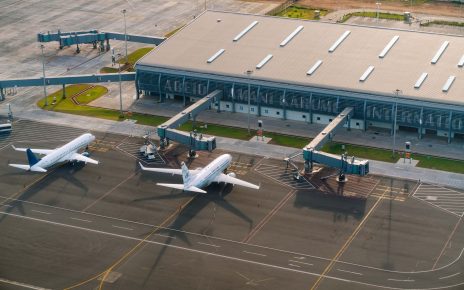
Long Thanh airport concerns are influencing many foreign carriers’ decisions to delay their move. This article explores the various factors contributing to this reluctance.
Overview of Long Thanh Airport Development
The Long Thanh airport project in Vietnam aims to become a major international gateway, but it has faced numerous challenges and concerns, particularly among foreign carriers. As development progresses, several issues have emerged that contribute to hesitancy from international airlines.
Key factors influencing foreign carriers’ reluctance include:
- Infrastructure readiness: Many airlines are concerned about the current state of infrastructure and whether it will meet their operational needs upon completion.
- Market demand: There are uncertainties regarding the projected passenger traffic and whether sufficient demand will exist to justify the move to a new facility.
- Competition: Foreign carriers worry about potential competition from other airports in the region, which may offer more established services and connections.
- Investment costs: Moving operations to Long Thanh airport may require significant investment in new facilities and equipment, which can be a deterrent.
As these concerns continue to be addressed, the future of Long Thanh airport and its ability to attract foreign carriers remains uncertain.
Current Status of Foreign Airlines
The development of Long Thanh Airport has been met with enthusiasm, but there are significant concerns among foreign airlines regarding its operational viability. Currently, several foreign carriers are hesitant to commit to moving their operations to the new facility.
Key issues contributing to this reluctance include:
- Infrastructure Readiness: Many airlines are questioning whether the airport’s necessary infrastructure, including transportation links and ground services, will be in place by the time it opens.
- Market Demand: Foreign carriers are assessing the projected passenger traffic and whether it justifies the investment in relocating to Long Thanh.
- Regulatory Framework: The lack of clear regulations and operational guidelines for international carriers at the new airport has added to their concerns.
- Competition with Existing Airports: Established airports like Tan Son Nhat in Ho Chi Minh City continue to serve as major hubs, making it challenging for Long Thanh to attract airlines.
These Long Thanh airport concerns highlight the complexities involved in transitioning to a new aviation hub and the careful considerations airlines must evaluate before making a move.
Challenges Faced by Foreign Carriers
Foreign carriers are expressing significant concerns regarding the transition to Long Thanh Airport, primarily due to a variety of challenges that may impact their operations. These challenges include:
- Infrastructure Readiness: Many foreign airlines are unsure if the airport will be fully equipped to handle international operations upon opening. There are worries about the availability of necessary facilities and services.
- Operational Costs: The potential increase in operational expenses, including landing fees and ground handling services, raises apprehensions among carriers about their profitability at Long Thanh.
- Market Demand: Airlines are evaluating whether the projected passenger traffic will justify the move. Some believe that the demand may not meet initial forecasts.
- Logistical Challenges: The distance from major urban centers and existing infrastructure may complicate access for passengers, making it less attractive for airlines.
- Regulatory Hurdles: Navigating the regulatory environment in Vietnam poses additional uncertainties that could deter foreign carriers from committing to Long Thanh airport.
These factors contribute to the overall hesitation among foreign carriers to relocate operations to Long Thanh airport, raising valid Long Thanh airport concerns.
Benefits of Long Thanh Airport
The development of Long Thanh Airport is poised to bring numerous benefits to the aviation industry and local economy. However, concerns surrounding the project continue to affect its reception among foreign carriers.
Some of the key benefits that Long Thanh Airport promises include:
- Increased Capacity: The airport is designed to handle up to 100 million passengers annually, significantly alleviating congestion at existing airports.
- Modern Infrastructure: Long Thanh is set to feature state-of-the-art facilities, positioning it as a competitive hub in Southeast Asia.
- Economic Growth: The construction and operation of the airport are expected to create thousands of jobs and stimulate local businesses.
- Enhanced Connectivity: Improved access to international destinations will facilitate trade and tourism in the region.
Despite these advantages, the Long Thanh airport concerns such as location, logistics, and regulatory issues are leading many foreign carriers to hesitate. Until these challenges are adequately addressed, the full potential of the airport may remain unrealized.
Comparative Analysis with Other Airports
When examining the Long Thanh airport concerns, it is essential to compare the facility with other major airports in the region. Various factors contribute to the hesitation of foreign carriers in relocating to Long Thanh Airport, and these can be contrasted with more established airports.
- Infrastructure: Airports like Singapore’s Changi and Hong Kong International have developed extensive infrastructure, including efficient transport links and advanced facilities, making transitions smoother for airlines.
- Market Demand: Foreign carriers consider passenger volume and growth potential. Airports in Bangkok and Kuala Lumpur benefit from strong regional demand, whereas Long Thanh is still in the development phase.
- Regulatory Environment: Established airports often have clear regulations and support systems in place. In contrast, Long Thanh is navigating complex regulatory challenges, leading to uncertainty for foreign airlines.
- Operational Costs: Competing airports may offer lower operational costs and incentives, making them more attractive to foreign carriers looking to maximize profitability.
These comparative insights highlight the underlying reasons for the ongoing Long Thanh airport concerns among international airlines.
Government Policies Affecting Airlines
Government policies play a crucial role in shaping the operational landscape for airlines, particularly in the context of the Long Thanh airport concerns. Recent regulations regarding airport fees, landing rights, and foreign investment have raised apprehensions among international carriers.
- Airport Fees: Many foreign airlines are worried that the fees associated with using Long Thanh airport may be higher than those at existing facilities, impacting their profitability.
- Landing Rights: Restrictions on landing slots and the allocation of traffic rights can create hurdles for airlines looking to establish routes to and from the new airport.
- Investment Regulations: Foreign carriers are often hesitant to invest in new infrastructure due to stringent regulations that govern foreign ownership and participation in airport operations.
- Uncertain Demand: The anticipated passenger volumes at Long Thanh airport remain uncertain, leading airlines to question whether the investment and operational changes are justified.
As these policies evolve, foreign carriers will closely monitor the situation, weighing the benefits against the challenges posed by government regulations surrounding the Long Thanh airport concerns.
Future Prospects for Long Thanh Airport
As Long Thanh Airport continues to progress towards completion, future prospects remain a topic of considerable discussion among stakeholders. The anticipation surrounding its opening is tempered by ongoing Long Thanh airport concerns, particularly from foreign carriers hesitant to make the shift.
While the airport promises enhanced capacity and modern facilities, several factors contribute to the reluctance of these airlines. Some of the primary concerns include:
- Location: The airport’s distance from major urban centers may deter passenger traffic.
- Infrastructure: Incomplete supporting infrastructure, such as transportation links, raises operational doubts.
- Market Demand: Uncertainty about the demand for flights and services at the new airport poses a risk for investment.
- Regulatory Environment: Complicated regulatory frameworks may complicate the transition for international airlines.
These factors underscore the need for ongoing dialogue among the Vietnamese government, airport authorities, and foreign carriers to address concerns and enhance the appeal of Long Thanh Airport as a viable hub in the region.
Conclusion on Foreign Carrier Hesitation
The development of Long Thanh Airport has generated significant interest, yet foreign carriers remain hesitant to make the move. This reluctance stems from a combination of factors that have raised Long Thanh airport concerns among international airlines.
A primary issue is the ongoing uncertainty surrounding the completion timeline of the airport, which affects planning and operational strategies for airlines. Without a clear schedule, airlines are wary of investing resources in a facility that may not be fully operational as expected.
Additionally, the regional competition from established airports offers foreign carriers a safer choice with proven infrastructure and customer bases. Many carriers prefer to maintain their operations at airports where they have existing arrangements, rather than risk the unknowns at Long Thanh.
Moreover, regulatory challenges and the need for more supportive government policies further complicate the situation. Airlines require assurances that their operations will be viable and profitable in the new environment.
In conclusion, addressing these Long Thanh airport concerns is imperative for attracting foreign carriers and ensuring the success of this ambitious project.
Many industry experts believe that the Long Thanh airport concerns stem from uncertainties regarding its completion timeline and operational capacity. As foreign carriers evaluate their options, these Long Thanh airport concerns may impact their willingness to invest in the region.