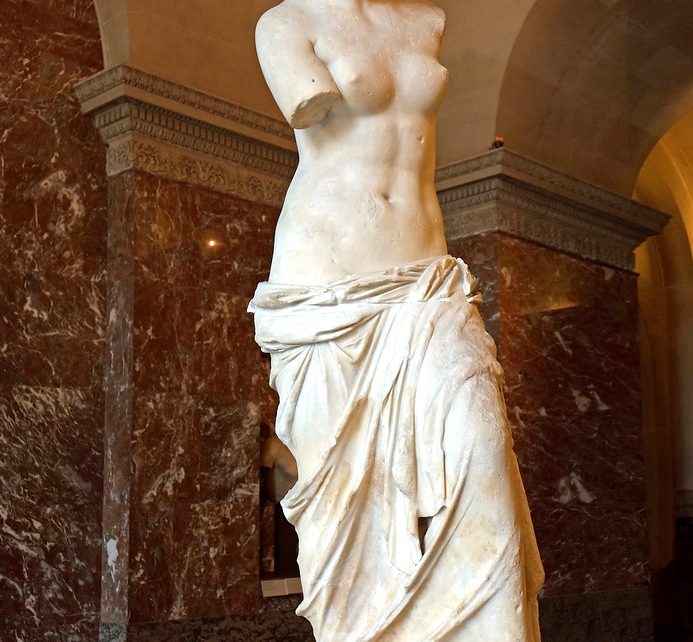
The Greek church museum is set to reopen soon, transforming a historic 190-year-old site into a vibrant cultural landmark.
History of the Greek Church
The history of the Greek church is a testament to the resilience and cultural significance of the Greek Orthodox community, particularly in regions where they have faced challenges. Dating back to the early 19th century, many churches were established as centers of worship and community life, reflecting the architectural and artistic styles of their time.
One notable example is a 190-year-old Greek church in Turkey, which is soon to reopen as a museum. This transformation is significant not only for the preservation of its historical artifacts but also for the broader narrative of Greek heritage in the region. The church, originally built to serve the spiritual needs of the local Greek population, has witnessed numerous historical events and changes throughout its existence.
Visitors to the Greek church museum can expect to see:
- Architectural Details: The intricate designs and craftsmanship that characterize Greek church architecture.
- Religious Artifacts: Iconography, vestments, and sacred objects that tell the story of the church’s rich traditions.
- Historical Exhibits: Displays that provide context on the church’s role in the community over the decades.
By transforming this historic site into a museum, it not only preserves its legacy but also educates future generations about the vital cultural contributions of the Greek Orthodox community.
Significance of the Reopening
The reopening of the Greek church museum holds profound significance for both the local community and visitors alike. This historic site, which has stood for nearly two centuries, serves as a testament to the rich cultural heritage of the Greek Orthodox faith in Turkey.
The church’s transformation into a museum aims to foster understanding and appreciation of Greek traditions and religious practices. It provides a unique opportunity for education and reflection, allowing people to explore artifacts and artworks that narrate the story of a vibrant community.
Moreover, the reopening symbolizes a broader movement towards preserving cultural landmarks that have faced neglect. By highlighting the importance of such institutions, the Greek church museum seeks to bridge gaps between various cultures and encourage dialogue.
Visitors can expect to find:
- Architectural beauty: The church’s design showcases stunning Byzantine elements.
- Historical artifacts: Items on display will include religious icons, manuscripts, and liturgical objects.
- Cultural programs: The museum plans to host workshops and lectures to engage the public.
In essence, the reopening is not just about reviving a building; it is about rekindling a sense of identity and pride within the community while inviting the world to appreciate its significance. The Greek church museum stands as a beacon of cultural resilience.
Visitor Information and Hours
Visitors looking to explore the Greek church museum will find it open to the public from Tuesday to Sunday, with hours extending from 10 AM to 6 PM. The museum remains closed on Mondays to ensure maintenance and preparation for the influx of guests throughout the week.
Admission fees are set at a reasonable price, allowing more individuals to experience the rich cultural heritage of the site. General entry is priced at $5, while students and seniors can enjoy a discounted rate of $3. Children under the age of 12 can enter for free, encouraging families to discover the significance of the church’s history together.
For those planning a visit, it is advisable to arrive early, especially on weekends, as the museum can become quite busy. Guided tours are available at specific times throughout the day, providing deeper insights into the exhibits and the church’s historical importance. These tours are conducted by knowledgeable staff who are eager to share stories and answer questions.
Visitors are also encouraged to check the museum’s official website for any special events, exhibitions, or temporary closures that may affect their visit. The Greek church museum promises to be a cherished destination, offering a unique glimpse into the intertwining of faith and culture in this historic region.
Cultural Impact on Tourism
The reopening of the Greek church museum has had a significant cultural impact on tourism in the region. Tourists are increasingly drawn to the unique blend of spirituality and history that this site offers. As travelers seek out authentic experiences, the museum has positioned itself as a key attraction, showcasing not only religious artifacts but also the rich cultural heritage of the Greek community in Turkey.
In recent months, visitor numbers have surged, reflecting a growing interest in cultural tourism. The museum provides an opportunity for guests to immerse themselves in the traditions and practices of the Greek Orthodox faith, enhancing their understanding of the area’s diverse history. This influx of visitors is beneficial not only for the museum but also for local businesses, as tourists frequent nearby restaurants, shops, and hotels.
Moreover, the Greek church museum serves as a platform for educational initiatives, offering workshops and guided tours that highlight the architectural and artistic significance of the church’s design. Such programs foster appreciation for cultural preservation and encourage dialogue among visitors from various backgrounds.
The impact of this cultural attraction is evident, as it contributes to a positive perception of the region and encourages sustainable tourism practices that respect the local community and its heritage.
Future Events at the Museum
The Greek church museum is set to host a series of exciting events in the upcoming months, aimed at enhancing its cultural offerings and engaging the community. These events are designed to celebrate the rich history of the church and its significance within the broader context of Greek culture.
Among the highlighted future events are:
- Cultural Festivals: Featuring traditional music and dance performances, these festivals will showcase the vibrant heritage of the Greek community.
- Art Exhibitions: Local and international artists will display their works, inspired by themes of history and spirituality, providing a platform for artistic expression.
- Guided Tours: Expert-led tours will delve into the architectural and historical significance of the church, offering visitors in-depth insights into its past.
- Lectures and Workshops: Educational sessions on Greek history, art, and theology will be held, encouraging dialogue and learning among attendees.
Additionally, the museum plans to collaborate with local schools to organize field trips, fostering a connection between students and their cultural heritage. The Greek church museum aims not only to serve as a repository of history but also as a dynamic space for cultural exchange and community engagement. Attendees can look forward to a calendar filled with enriching experiences that highlight the importance of preserving this unique cultural landmark.
By archer10 (Dennis) via Openverse