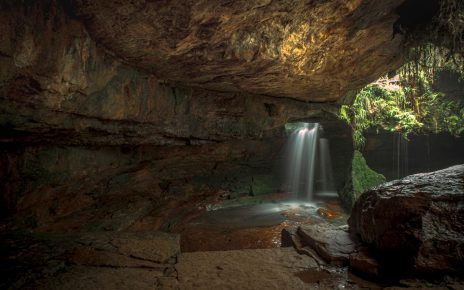
Assam wildlife tourism is gaining momentum as the season begins with the reopening of Manas National Park. Nature enthusiasts are eager to explore the rich biodiversity of this region.
Overview of Assam’s Wildlife Tourism
Assam, known for its rich biodiversity and stunning landscapes, has become a prime destination for wildlife tourism enthusiasts. With the onset of the wildlife tourism season, attractions such as Manas National Park, Kaziranga National Park, and Pobitora Wildlife Sanctuary are welcoming visitors eager to explore the natural beauty of the region.
Manas National Park, a UNESCO World Heritage Site, is renowned for its unique ecosystem and offers a chance to see the elusive golden langur and the one-horned rhinoceros. Kaziranga, famous for its vast grasslands and diverse wildlife, is home to the largest population of the Indian rhinoceros, making it a must-visit for wildlife lovers. Pobitora, while smaller, boasts a dense concentration of rhinos, providing an intimate wildlife viewing experience.
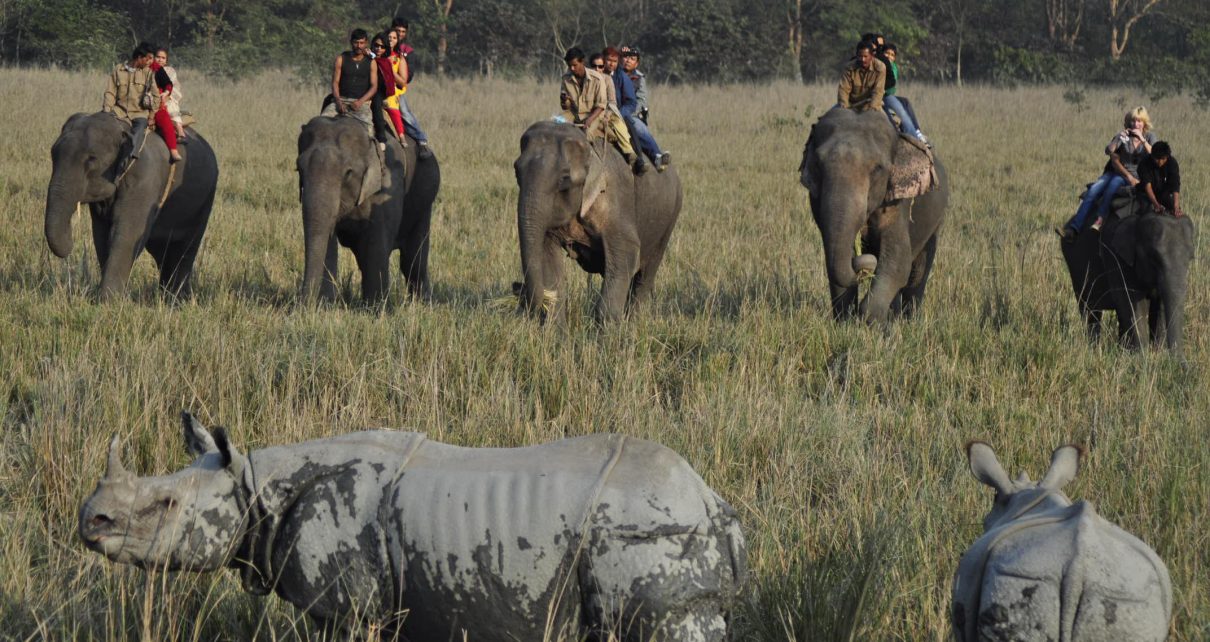
Visitors can engage in various activities, including jeep safaris, elephant rides, and birdwatching tours. These experiences not only allow tourists to connect with nature but also promote conservation efforts in the region. As the season progresses, Assam wildlife tourism continues to attract both local and international travelers, showcasing the state’s commitment to preserving its natural heritage.
What to Expect at Manas National Park
Manas National Park, a UNESCO World Heritage Site, is a prime destination for those interested in Assam wildlife tourism. Nestled at the foothills of the Himalayas, this park offers a unique blend of natural beauty and rich biodiversity.
Visitors can expect an immersive experience as they explore the park’s lush landscapes, comprising grasslands, forests, and riverine ecosystems. The park is home to a variety of wildlife, including:
- One-horned rhinoceros: A symbol of Assam, these magnificent creatures roam freely in the park.
- Bengal tiger: A rare sight, the elusive tiger can be spotted if you are lucky.
- Asian elephants: These gentle giants often traverse the park, offering breathtaking views.
- Bird species: Over 300 species of birds make Manas a birdwatcher’s paradise.
Guided tours are available, allowing visitors to gain insights from knowledgeable naturalists who can enhance your understanding of the local ecosystem. Whether you are a seasoned wildlife enthusiast or a casual visitor, Manas National Park promises an unforgettable experience in Assam wildlife tourism.
Upcoming Openings: Kaziranga and Pobitora
As the wildlife tourism season in Assam gains momentum, nature enthusiasts are eagerly anticipating the upcoming openings of two premier destinations: Kaziranga National Park and Pobitora Wildlife Sanctuary. Both parks are renowned for their rich biodiversity and provide visitors with unique opportunities to explore the stunning landscapes of Assam.
Kaziranga, a UNESCO World Heritage Site, is famous for its population of the Indian one-horned rhinoceros. Visitors can embark on thrilling jeep safaris and elephant rides, offering a close encounter with wildlife in their natural habitat. The park is also home to diverse bird species, making it a haven for birdwatchers.
Pobitora, though smaller, is equally captivating. Located just a short drive from Guwahati, this sanctuary is known for its dense population of rhinos and beautiful wetlands. The serene environment provides an excellent backdrop for nature walks and eco-friendly tourism.
Both Kaziranga and Pobitora are set to enhance Assam’s wildlife tourism, allowing travelers to immerse themselves in the vibrant natural world of the region. With the season in full swing, these destinations promise unforgettable experiences for all who visit.
Tips for a Safe Wildlife Experience in Assam
When exploring the rich biodiversity of Assam through its wildlife tourism, ensuring a safe and enjoyable experience is paramount. Here are some tips to enhance your adventure:
- Follow Guidelines: Always adhere to the rules set by park authorities. These guidelines are designed to protect both visitors and wildlife.
- Hire a Local Guide: Engaging a knowledgeable local guide can enrich your understanding of the wildlife and ensure you navigate the terrain safely.
- Wear Appropriate Clothing: Opt for neutral-colored clothing that blends with the environment. Sturdy shoes are essential for exploring rugged terrain.
- Stay Quiet: Wildlife is sensitive to noise. Keeping your voice down increases your chances of spotting animals while minimizing disturbance.
- Respect Animal Space: Maintain a safe distance from animals. This ensures both your safety and the well-being of the wildlife.
- Stay Hydrated: Always carry water and stay hydrated, especially during long treks in the heat.
By following these tips, you can make the most of your Assam wildlife tourism experience while respecting the natural habitat.
Assam wildlife tourism offers a unique opportunity to witness diverse ecosystems and rare species in their natural habitats. Many travelers believe that Assam wildlife tourism is the best way to explore nature while supporting conservation efforts.
By Anutosh Deb via Openverse
Where this came from
Related stories
Travel Deals India: Best 11,000 Seats on Sale Now · Historic pub refurbishment: Exciting plans for reopening · Greek church museum: A Worthy Cultural Experience