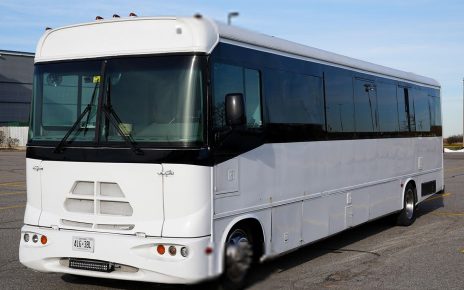
buses for women are set to launch, providing a safe and reliable transportation option for female commuters traveling to their workplaces. This initiative aims to empower women and improve their daily commute experience.
Overview of the New Bus Initiative
The government has announced an ambitious initiative to enhance the safety and convenience of women commuters by launching 100 additional buses specifically designed for women travelling to workplaces. This program aims to address the unique challenges faced by women in public transportation, ensuring that they have a secure and comfortable commuting experience.
These buses for women will feature several enhancements to improve safety and accessibility, including:
- Dedicated Routes: The new buses will operate on routes that connect major residential areas to business districts, making it easier for women to reach their workplaces.
- Female Staff: All buses will be staffed with female drivers and conductors, providing a familiar environment for passengers and enhancing their sense of security.
- Real-Time Tracking: Equipped with GPS technology, these buses will allow commuters to track their location in real time, thus reducing wait times and uncertainty.
- Safety Features: Each bus will be fitted with security cameras and emergency communication systems to ensure immediate assistance if needed.
This initiative is part of a broader strategy to encourage more women to join the workforce by alleviating transportation concerns. The government believes that by providing safe and reliable buses for women, they can significantly contribute to gender equality in the workplace.
Benefits of Women-Only Buses
The introduction of women-only buses brings a multitude of benefits aimed at enhancing the safety and comfort of female commuters. This initiative is set to transform the daily travel experience for women, particularly in urban areas where public transport can often feel intimidating.
One of the primary advantages of buses for women is the increased sense of security. By providing a dedicated space for female passengers, these buses help to alleviate concerns about harassment and unwanted attention during transit. Women can travel with peace of mind, knowing that their commute is tailored specifically for them.
Moreover, the presence of women-only buses encourages greater participation in the workforce. With improved safety and accessibility, more women may feel empowered to pursue job opportunities that were previously deemed unreachable due to transportation issues. This can lead to a significant boost in economic growth and contribute to gender equality in the workplace.
Another benefit is the potential for community building among women. These buses not only serve as a mode of transportation but also as a space for women to connect, share experiences, and support one another during their travels. This fosters a sense of camaraderie and solidarity among female passengers.
- Enhanced safety measures
- Increased workforce participation
- Community building opportunities
Overall, the implementation of women-only buses is a significant step towards creating a safer, more inclusive commuting environment for all women.
Government’s Commitment to Women’s Safety
The government’s commitment to enhancing women’s safety in public transportation has led to the launch of an initiative that includes the introduction of more buses for women. This program aims to address the unique challenges faced by women commuters, especially during peak travel hours.
Officials have emphasized the importance of creating a secure travel environment, which is why the new fleet of buses will be exclusively designated for female passengers. The decision comes in response to numerous reports highlighting safety concerns and the need for more reliable transportation options tailored to women.
As part of this initiative, the government plans to implement various measures to ensure safety and comfort, including:
- Increased surveillance: Each bus will be equipped with cameras to monitor activity and deter harassment.
- Trained personnel: Female conductors and security staff will be present on all buses for added reassurance.
- Dedicated routes: Buses for women will operate on specific routes that cater to popular employment hubs, aiming to streamline commutes.
This initiative also aligns with broader efforts to promote gender equality and empower women in the workforce. By providing safe and reliable buses for women, the government hopes to encourage more women to pursue job opportunities without the fear of harassment or safety issues.
How to Access the New Bus Services
The new initiative to provide buses for women has been designed with accessibility in mind, ensuring that all eligible women can take advantage of these services. To access the new bus services, women can follow a few simple steps.
First, it is crucial for women to register for the service. This can be done online through the official government transportation website or via designated registration centers located in various neighborhoods. During the registration, women will need to provide basic personal information, including their name, address, and contact details.
After registration, women will receive a unique identification number, which must be presented when boarding the buses. This allows for a streamlined process and helps maintain security throughout the service.
Second, the buses operate on a clearly defined schedule, which is available on the transportation website and through mobile applications. Women are encouraged to check these schedules regularly to ensure they arrive at the bus stops on time.
Finally, it is important for women to familiarize themselves with the designated bus routes. Maps highlighting the routes and stops can be found online or at local community centers. By planning their journeys in advance, women can enjoy a safe and efficient commuting experience, emphasizing the initiative’s commitment to enhancing women’s safety and mobility.
Public Reaction to the Initiative
The launch of women-only buses has sparked a wave of positive feedback from the public, with many expressing their support for this initiative aimed at enhancing safety and comfort for female commuters. In various surveys conducted across the city, a significant majority of women indicated that they feel more secure using dedicated bus services designed specifically for them.
Many commuters shared their experiences, highlighting the challenges they face while traveling on regular buses. “Having buses for women not only provides safety but also creates a more relaxed environment for us,” said one frequent rider. Another commuter emphasized, “It’s about time we had these services. It makes a huge difference to our daily lives.” This sentiment resonates with numerous women who have long advocated for better transportation options.
Community organizations and women’s rights groups have also voiced their approval, viewing the initiative as a significant step toward greater gender equality in public transportation. “This is a game-changer. It addresses both safety and accessibility issues,” noted a representative from a local advocacy group.
However, some critics caution that while the introduction of buses for women is a positive initiative, it should not be the only solution to the broader issues of harassment and safety in public transport. They stress the need for continued efforts to ensure that all public transport remains safe for everyone, regardless of gender.
Comparative Analysis: Women-Only vs. Mixed Buses
The introduction of women-only buses has sparked significant discussions regarding their effectiveness compared to mixed buses. While both options aim to provide safe commuting, the approach and experience differ considerably.
Women-only buses are designed to create a comfortable environment for female passengers. They offer:
- Enhanced Safety: With only women on board, there is a decreased risk of harassment, allowing for a more relaxed commute.
- Tailored Amenities: Facilities such as priority seating and women-friendly features make the journey more accommodating.
- Community Building: These buses can foster a sense of solidarity among women, encouraging social interactions and shared experiences.
In contrast, mixed buses serve a broader population, promoting inclusivity. However, they may not always guarantee the same level of comfort for women commuters. Key points of concern include:
- Safety Perceptions: Women may feel vulnerable in mixed settings, particularly during peak hours.
- Limited Resources: Mixed buses often lack specific facilities that cater to the unique needs of female passengers.
Ultimately, the choice between women-only and mixed buses for women will depend on individual preferences and overall commuting experiences. As cities expand their transport options, understanding these differences is crucial for improving safety and comfort in public transport.
Future Plans for Public Transportation
The initiative to enhance public transportation for women is set to expand significantly, with plans to introduce 100 more buses for women travelling to workplaces. This expansion reflects a growing recognition of the unique commuting challenges faced by women and aims to create a safer, more comfortable travel environment.
In addition to increasing the number of women-only buses, the government is considering several innovative solutions to improve the overall commuting experience. These plans include:
- Improved Routes: A thorough analysis of current bus routes will be conducted to ensure they align with the most frequented workplaces and residential areas for women.
- Real-Time Tracking: Implementation of a real-time tracking system will allow women to monitor bus locations and expected arrival times, providing an added layer of security and convenience.
- Enhanced Safety Measures: Increased security personnel and surveillance on buses will be prioritized to ensure that women feel safe during their journeys.
- Community Engagement: Feedback from women commuters will be actively sought to inform ongoing improvements and adjustments to services.
Through these initiatives, the government aims to not only increase the availability of buses for women but also to foster a supportive commuting culture. As these plans roll out, the focus will remain on creating an inclusive and empowering public transportation system for all women.
Conclusion and Next Steps
As the initiative to introduce buses for women gains momentum, the conclusion of this project marks just the beginning of a larger movement toward ensuring safe commuting for women. The positive feedback from the public has highlighted the urgent need for such services, emphasizing their role in promoting gender equality in transportation.
Moving forward, it is crucial for the government to maintain its commitment to expanding this initiative. Key next steps include:
- Monitoring Safety: Continuous evaluation of safety measures on these buses will be essential to ensure they meet the needs of female commuters.
- Public Awareness Campaigns: Informing women about the availability and benefits of these services will help maximize their usage.
- Community Feedback: Engaging with women who use these buses will provide invaluable insights for improving the service.
- Expansion Plans: Assessing the feasibility of launching more routes in underserved areas will enhance accessibility for all women.
The initiative is not only about transportation but also about fostering a safe and inclusive environment. By prioritizing the needs of female commuters, the government is setting a precedent for other regions to follow. Ultimately, the success of the buses for women initiative will depend on continued support and innovation, paving the way for a more equitable public transport system.
Buses for women are becoming an essential part of urban transport systems, providing a safer commuting option for female passengers. By implementing dedicated buses for women, cities can enhance safety and encourage more women to use public transportation.
By Gareth1953 All Right Now via Openverse
Read the original
You might also like
Sakrebyle Elephant Camp: Is It the Best Place to Visit Now? · Australia visa rules: Easy updates for Hong Kong pathway · UAE flight cancellations: What are the worst impacts?