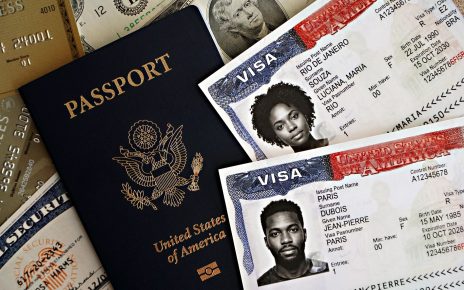
Visa travel rules are a key topic in discussions between Canada and the European Union. Carney highlights the importance of these negotiations for future travel.
Understanding Visa Travel Rules
The recent discussions regarding visa travel rules highlight the evolving landscape of international travel and immigration policies. As nations adapt to changing circumstances, it is crucial to understand the implications of these rules on travelers and the tourism industry.
One significant change is the push for more streamlined processes that aim to reduce wait times for visa applicants. Many countries are exploring ways to simplify their application procedures while ensuring security and compliance with international regulations.
Another important aspect is the growing emphasis on digital solutions. Countries are increasingly adopting online visa applications and electronic travel authorizations, making the application process more accessible and efficient for travelers worldwide.
Furthermore, there is a focus on enhancing cooperation between countries to facilitate smoother border crossings. This includes sharing information and best practices to create a more unified approach to visa policies.
As these discussions progress, several key changes are expected to influence the future of travel:
- Increased collaboration among nations to standardize visa requirements.
- Implementation of biometric systems to streamline border control.
- Expansion of visa waiver programs for eligible travelers.
Understanding these shifts in visa travel rules will be essential for anyone planning international travel in the coming years.
Impact of EU Negotiations on Travel
The ongoing discussions between the UK and the European Union regarding visa travel rules are expected to have significant implications for travelers. As both parties negotiate, the potential changes could reshape how individuals move across borders, making travel more accessible or, conversely, more restrictive.
According to recent statements from financial experts, including Carney, the outcome of these negotiations is crucial for both tourism and business travel. The proposed adjustments aim to streamline the processes associated with obtaining travel visas, which could lead to a more efficient experience for travelers. Key areas of focus include:
- Short-term travel: Simplifying visa requirements for short visits could encourage more spontaneous trips.
- Work-related travel: New rules may facilitate smoother transitions for professionals engaging in cross-border work.
- Student exchanges: Enhancements in visa travel rules could promote educational exchanges, benefiting both students and institutions.
However, there are concerns that any new measures might also lead to increased bureaucracy if not handled properly. Stakeholders are urging for a balanced approach that prioritizes ease of travel while ensuring security and compliance with immigration laws.
As negotiations progress, the impacts of these visa travel rules will be closely monitored by businesses and travelers alike.
Carney’s Insights on Visa Regulations
In a recent discussion on the evolving landscape of visa travel rules, former Bank of England Governor Mark Carney emphasized the importance of adapting regulations to meet contemporary challenges. He noted that as travel patterns shift, particularly post-pandemic, so must the frameworks governing cross-border mobility.
Carney highlighted several key areas where changes could facilitate smoother travel experiences:
- Streamlined Processing: Reducing bureaucratic hurdles can significantly enhance the efficiency of visa applications, allowing travelers to navigate the system with ease.
- Increased Transparency: Clear communication regarding visa requirements can help avoid confusion, ensuring that travelers are well-informed before their journeys.
- Digital Solutions: Embracing technology, such as e-visas and mobile applications, can expedite the application process and improve overall accessibility.
- Collaborative Agreements: Strengthening partnerships between countries can lead to reciprocal visa arrangements, making travel more convenient for citizens of both nations.
As negotiations with the European Union continue, Carney’s insights suggest that a proactive approach to visa travel rules can ultimately foster greater economic cooperation and cultural exchange. By implementing these proven changes, countries can better position themselves to embrace the future of global travel.
Future of Travel Between Canada and EU
The future of travel between Canada and the European Union looks promising as discussions continue around visa travel rules. According to recent statements from Canadian officials, including Carney, there is a strong commitment to enhance travel facilitation for citizens of both regions.
Key aspects of the ongoing negotiations include:
- Streamlining Processes: Efforts are being made to simplify the visa application process, making it more accessible for travelers.
- Reciprocity: Discussions emphasize the need for reciprocal agreements that would allow Canadians and EU citizens to travel more freely.
- Increased Cooperation: Enhanced collaboration between Canadian and EU authorities aims to ensure security while easing travel restrictions.
As travel restrictions evolve, the expectation is that these changes will not only benefit tourism but also foster stronger economic ties between Canada and the EU. The revisions to the visa travel rules could lead to an influx of visitors from both regions, stimulating local economies and cultural exchanges.
Experts believe that successful implementation of these changes is crucial for the future of international travel, paving the way for a more connected and accessible world. As the negotiations progress, travelers and businesses alike are hopeful for a positive outcome that will redefine travel norms.
Photo by DΛVΞ GΛRCIΛ on Pexels