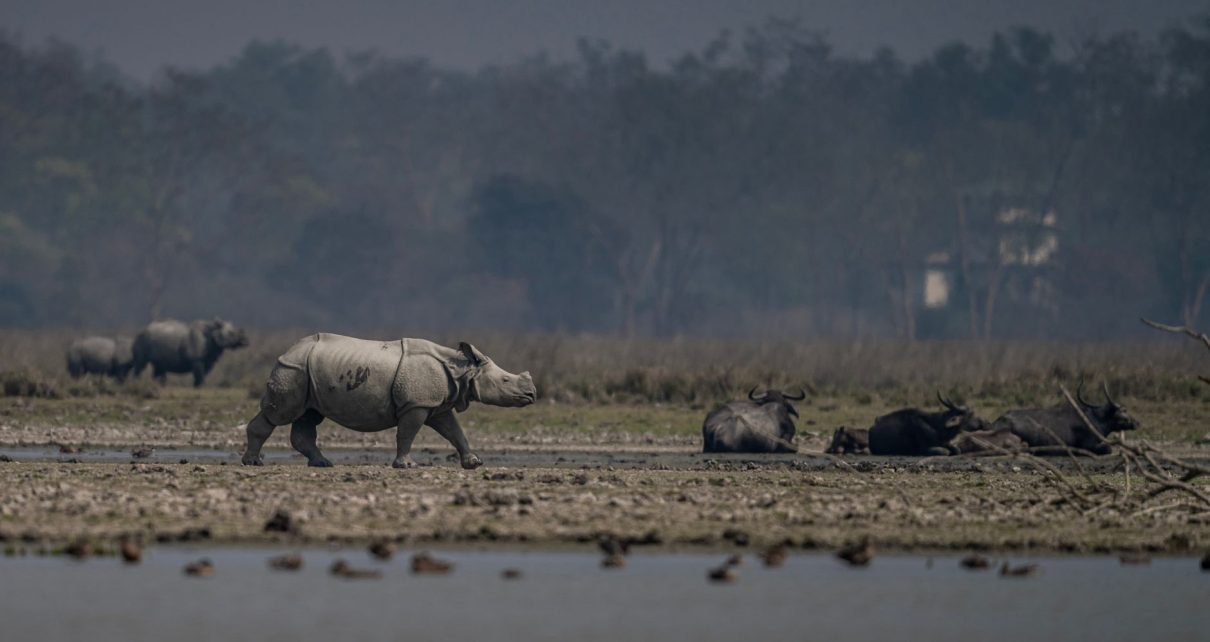
Pobitora Wildlife Sanctuary reopening is happening tomorrow, welcoming tourists back to explore its rich biodiversity. This sanctuary, known for its one-horned rhinoceros, is a must-visit for wildlife enthusiasts.
Overview of Pobitora Wildlife Sanctuary
Pobitora Wildlife Sanctuary, located in the northeastern state of Assam, is set to reopen for tourists tomorrow, marking an exciting opportunity for wildlife enthusiasts and nature lovers. Renowned for its population of the Indian rhinoceros, the sanctuary covers an area of approximately 38.8 square kilometers and offers a rich biodiversity that attracts visitors from around the globe.
The sanctuary is part of the larger Brahmaputra River floodplain ecosystem and features a range of habitats, including grasslands, wetlands, and forested areas. This unique environment supports a variety of wildlife species, making it a vital conservation area. Visitors can expect to see:
- Indian rhinoceros – One of the main attractions, with a significant population within the sanctuary.
- Biodiversity – Home to over 200 species of birds, including migratory birds during the winter months.
- Other wildlife – Spotting elephants, wild boars, and various reptiles adds to the sanctuary’s allure.
With the Pobitora Wildlife Sanctuary reopening, the local economy is anticipated to benefit from the influx of tourists. The sanctuary’s management has implemented safety protocols to ensure a secure and enjoyable experience for all visitors. It’s a perfect time to explore the natural beauty and ecological significance of this enchanting destination.
What to Expect During Your Visit
As you plan your visit to the newly reopened Pobitora Wildlife Sanctuary, there are several exciting features and experiences to anticipate. The sanctuary, renowned for its rich biodiversity, offers a unique chance to observe various wildlife in their natural habitat.
During your visit, you can expect the following:
- Rhino Sightings: Pobitora is home to one of the highest densities of the Indian rhinoceros. Be prepared to spot these magnificent creatures as you explore the sanctuary.
- Biodiversity: Along with rhinos, the sanctuary hosts numerous species of birds and other wildlife, making it a haven for nature enthusiasts and birdwatchers.
- Guided Tours: To enhance your experience, consider joining a guided tour. Knowledgeable guides will provide insights into the flora and fauna, ensuring you don’t miss any hidden gems.
- Photography Opportunities: With its stunning landscapes and diverse wildlife, Pobitora offers breathtaking photography opportunities for both amateur and professional photographers.
- Responsible Tourism: Visitors are encouraged to follow guidelines to protect the environment and wildlife. Your cooperation helps preserve the sanctuary for future generations.
Overall, the reopening of Pobitora Wildlife Sanctuary promises a memorable experience in nature, making it a must-visit destination for wildlife lovers.
Wildlife and Flora in Pobitora
Pobitora Wildlife Sanctuary is renowned for its diverse wildlife and vibrant flora, making it a must-visit destination for nature enthusiasts. As the sanctuary prepares for its reopening, visitors can look forward to exploring a rich ecosystem that houses a variety of species.
One of the most significant attractions is the Indian rhinoceros, which has made a remarkable recovery in this protected area. Besides rhinos, the sanctuary is home to:
- Bengal tigers
- Wild boars
- Elephants
- Varied bird species, including the rare greater adjutant stork
The wetlands and grasslands of Pobitora provide an ideal habitat for these creatures, making wildlife sightings a unique experience. Moreover, the sanctuary boasts an array of indigenous plants and trees, which contribute to the area’s natural beauty. Visitors can expect to see:
- Sal trees
- Elephant grass
- Water lilies
As Pobitora Wildlife Sanctuary reopens for tourists tomorrow, it’s an excellent opportunity to connect with nature and witness the spectacular wildlife and flora that thrive within this sanctuary.
Best Time to Visit Pobitora
The best time to visit Pobitora Wildlife Sanctuary is during the cooler months, specifically from November to March. This period offers pleasant weather, making it ideal for exploring the lush landscape and diverse wildlife. The temperatures during these months typically range from 10°C to 25°C, allowing for comfortable excursions.
During this season, the sanctuary is vibrant with various species of birds and animals, as many migratory birds flock to the region, enriching the sanctuary’s already abundant avifauna. Visitors can expect to see:
- Greater One-Horned Rhinoceros: Pobitora is home to a significant population of this iconic species, making it a prime spot for rhino enthusiasts.
- Birdwatching Opportunities: With over 200 species of birds, including the rare Bengal Florican, the sanctuary is a haven for birdwatchers.
- Rich Flora: The lush greenery of the sanctuary is in full bloom, providing a picturesque backdrop for nature lovers.
As the Pobitora Wildlife Sanctuary reopening approaches, make sure to plan your visit during these months to fully enjoy the natural beauty and wildlife experiences that the sanctuary offers. Remember to dress in layers, as mornings can be chilly, while afternoons may warm up significantly.
Safety Guidelines for Tourists
As the Pobitora Wildlife Sanctuary prepares for its reopening, it is essential for tourists to adhere to the safety guidelines to ensure a safe and enjoyable visit. These measures not only protect visitors but also help preserve the delicate ecosystem of the sanctuary.
- Health and Safety Protocols: Tourists are required to wear masks in crowded areas and maintain social distancing to minimize the risk of transmission of illnesses.
- Permits and Entry Fees: Ensure you have the necessary permits and entry fees ready before your visit. This will help facilitate a smooth entrance and reduce waiting times.
- Wildlife Interaction: Keep a safe distance from all wildlife. Feeding animals is strictly prohibited as it can disrupt their natural behaviors and diet.
- Guided Tours: Opt for guided tours with certified naturalists who can provide valuable insights while ensuring safety and compliance with sanctuary regulations.
- Environment Conservation: Respect the environment by not littering and following all designated trails. This helps in the conservation efforts of the sanctuary.
By following these safety guidelines, tourists can enjoy a fulfilling experience at the Pobitora Wildlife Sanctuary while contributing to its preservation. Remember that your actions can have a significant impact on this unique ecosystem.
How to Reach Pobitora Wildlife Sanctuary
Reaching Pobitora Wildlife Sanctuary is an adventure in itself, as the sanctuary is nestled in the scenic landscapes of Assam, India. Here are some convenient options to help you plan your visit:
- By Air: The nearest airport to Pobitora is Guwahati’s Lokpriya Gopinath Bordoloi International Airport, located approximately 50 kilometers away. From the airport, you can hire a taxi or take a pre-booked cab to reach the sanctuary.
- By Train: The closest railway station is in Jagiroad, around 25 kilometers from Pobitora. You can catch a train from major cities like Guwahati or Silchar. From Jagiroad, local taxis or auto-rickshaws can take you to the sanctuary.
- By Road: If you prefer a scenic drive, you can take the National Highway 37 that connects Guwahati and Nagaon. The sanctuary is well-marked and accessible from major towns in the region. Buses and shared taxis also operate frequently from Guwahati and neighboring areas.
Regardless of your chosen mode of transport, ensure that you plan your journey ahead of time, especially with the Pobitora Wildlife Sanctuary reopening attracting many visitors eager to explore its rich biodiversity.
The Pobitora Wildlife Sanctuary reopening offers a unique opportunity to explore its rich biodiversity. Visitors can enjoy guided tours and wildlife spotting as part of the Pobitora Wildlife Sanctuary reopening experience.
Photo by Manas Paran on Pexels